



Early Life and Family Influences
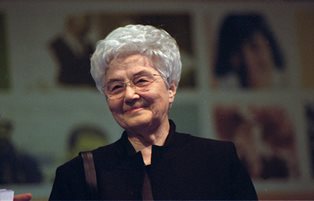
Chiara Lubich was born on 22 January 1920 in Trent (Trento), northern Italy, during a period of deep political and social unrest. Her family environment exposed her early to contrasting worldviews. Her father and brother were firmly opposed to fascism, fostering a strong sense of justice and critical thinking, while her mother’s profound Catholic faith introduced Chiara to a life rooted in prayer and trust in God. These influences would later converge in her spiritual vision, which combined moral courage with deep religious conviction.
A First Sense of Calling
In 1939, during a pilgrimage to the Shrine of Loreto, Chiara experienced an interior moment that she later recognized as the beginning of her vocation. She perceived a call that was both personal and prophetic: a life wholly given to God, yet one that would involve many others. Although she could not yet clearly define what this calling meant, she understood that it did not correspond to established paths such as religious life in a convent or marriage.
Upon returning home, when questioned by a priest about her future, Chiara struggled to put her experience into words. What was clear to her, however, was that her vocation would be lived in the world, among ordinary people, and in close relationship with everyday life.
The Birth of a New Way of Living Faith
In the early 1940s, Chiara began attracting a small group of young women who were inspired by her radical approach to the Gospel. Some initially considered marriage, others religious consecration, yet all shared a desire to live their faith authentically within society. This informal gathering marked the early formation of what would later become the Focolare Movement, though no formal structure yet existed.
Total Consecration Amid War
A defining moment occurred in 1943, during the height of World War II. At the age of 23, Chiara experienced a decisive inner call—“Give yourself totally to me.” After careful discernment and guidance from a priest, she formally consecrated her life to God on 7 December 1943. At that moment, she had no intention of founding a movement or initiating a new form of spirituality. Her decision was deeply personal: a total and lifelong gift of herself to God.
This consecration took place as war devastated Trent. Bombings, displacement, and fear were part of daily life. During air raids, Chiara and her companions gathered in shelters, where they read the Gospel and sought to live it concretely. In the face of destruction, they discovered a spiritual certainty: while everything material could be lost, God alone remained unshaken.
Chiara later explained that this experience led them to ask whether there was an ideal that no bomb could destroy. Their answer was clear—God himself became the center of their lives and the foundation of their shared commitment.
A Vision Ahead of Its Time
Chiara Lubich emerged as a pioneering figure within both the Church and society. As a lay woman, she articulated ideas that anticipated major developments later affirmed by the Second Vatican Council. She proposed a spirituality rooted not in separation from the world, but in active engagement with it.
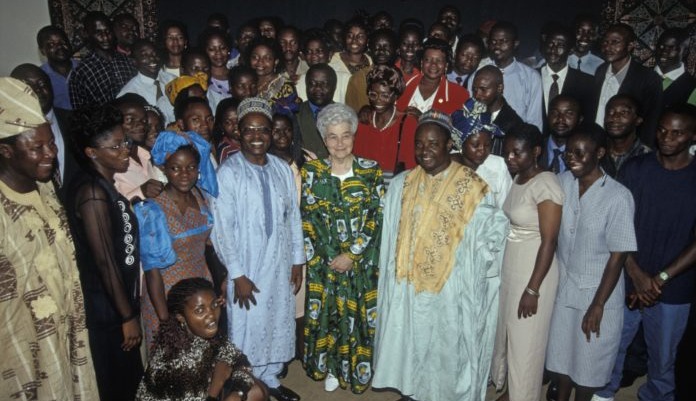
Long before globalization became a common concept, Chiara spoke of universal brotherhood and the unity of humanity. She emphasized respect for every human life, encouraged finding meaning in suffering, and promoted a form of holiness accessible to all—men and women, clergy and laypeople, believers and those of other convictions.
Her approach offered a synthesis of spiritual depth and civic responsibility, presenting faith as a force capable of transforming relationships, communities, and social structures.

Final Years and Enduring Legacy
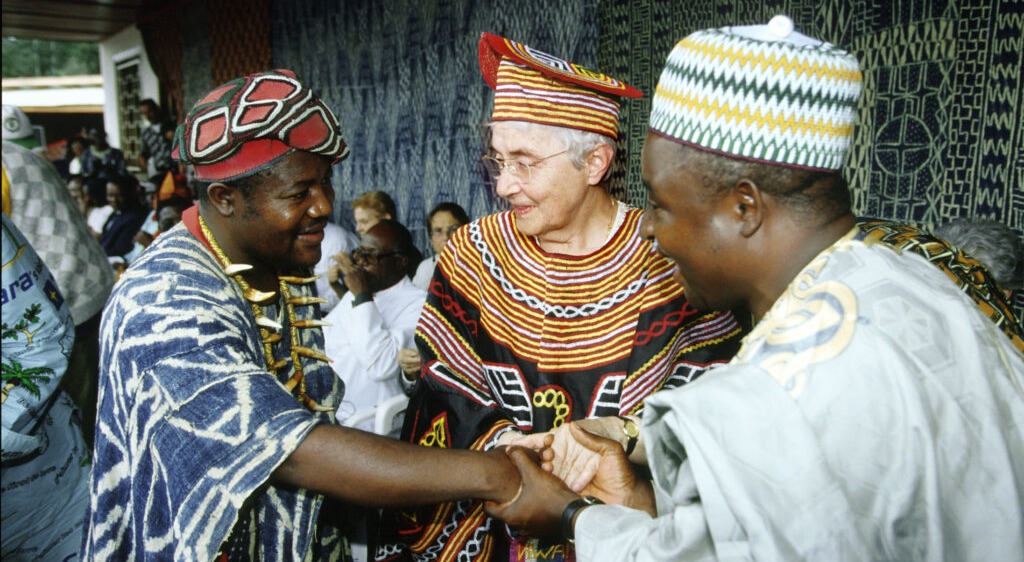
Chiara Lubich spent the later years of her life witnessing the global expansion of the Focolare Movement, which spread across cultures, religions, and continents. She died on 14 March 2008 in Rocca di Papa, Italy.
Her legacy endures through a movement that continues to promote unity, dialogue, and peace in a fragmented world. Chiara Lubich remains a significant historical and spiritual figure whose life demonstrates how personal conviction, lived consistently, can give rise to lasting social and religious renewal.

💬 Comments