

Background and Context
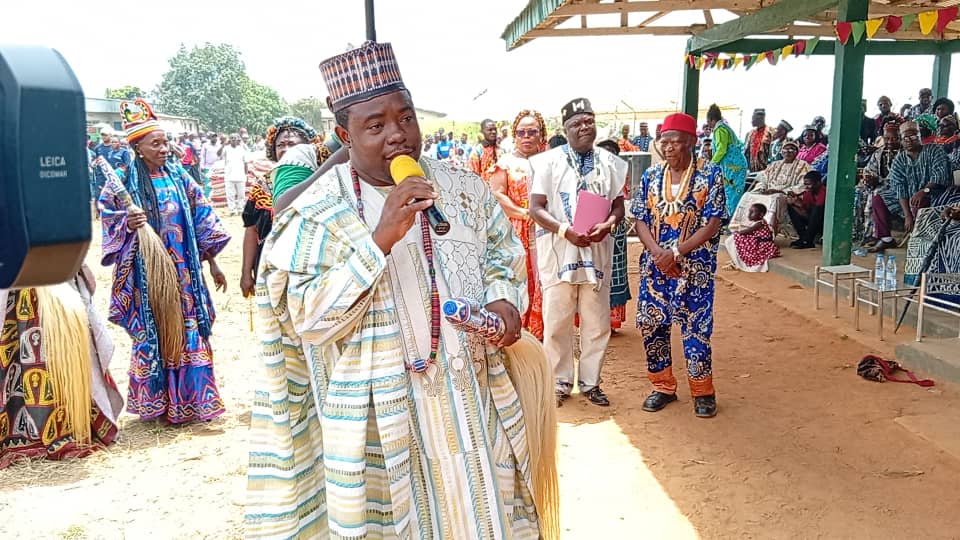
Between 19 and 28 September 2016, a historic delegation from Cameroon undertook a pilgrimage to Italy to commemorate a defining chapter in the spiritual, social, and medical history of the Bangwa people of Lebialem Division, Southwest Cameroon. The delegation consisted of 40 participants, including nine traditional rulers (Fons) of the Bangwa ethnic group, Mafua Queens, two mayors, and other distinguished personalities from Bangwa communities in Fontem, Bamenda, and Douala.
The Fons represented the Fondoms of Nwametaw, Nwangong, Essoh Attah, Akum, Lewoh, and Nkar, alongside other Bangwa leaders. The pilgrimage marked 50 years since the first encounter between the Bangwa people and the Focolare Movement in Fontem, an encounter that profoundly transformed the region.

Purpose of the Pilgrimage
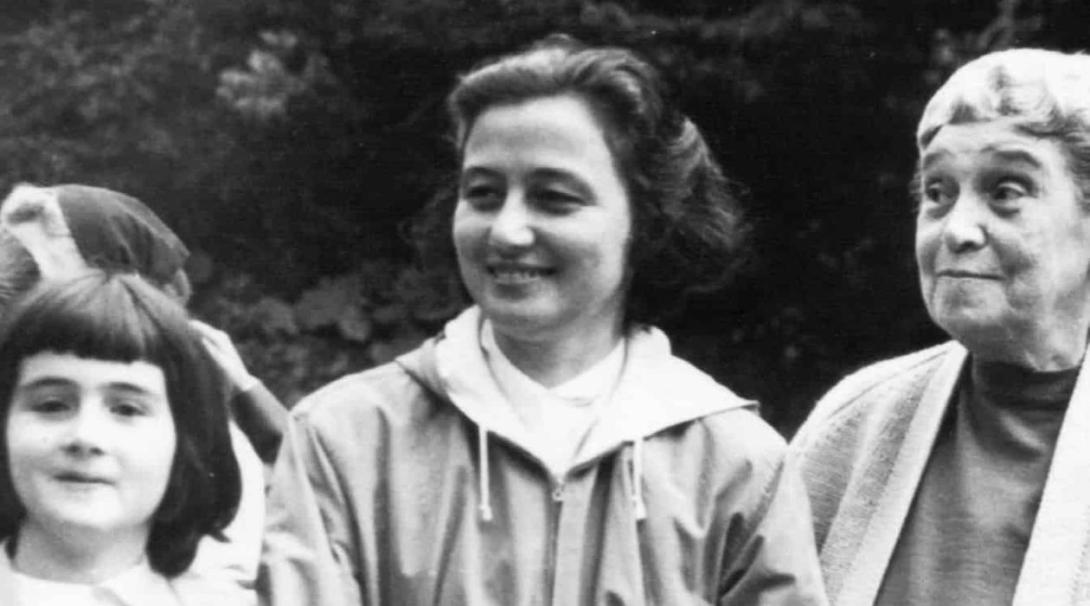
The journey had two principal objectives. First, the delegation participated in the Year of Mercy celebrations and a general audience with Pope Francis at St Peter’s Square in Vatican City. Second, and more significantly for Bangwa history, the leaders sought to express collective gratitude to God for the enduring fruits of the encounter with the Focolare Movement, and to honour its founder, Chiara Lubich, whom the Bangwa reverently call Mafua Ndem—“Queen Sent by God.”
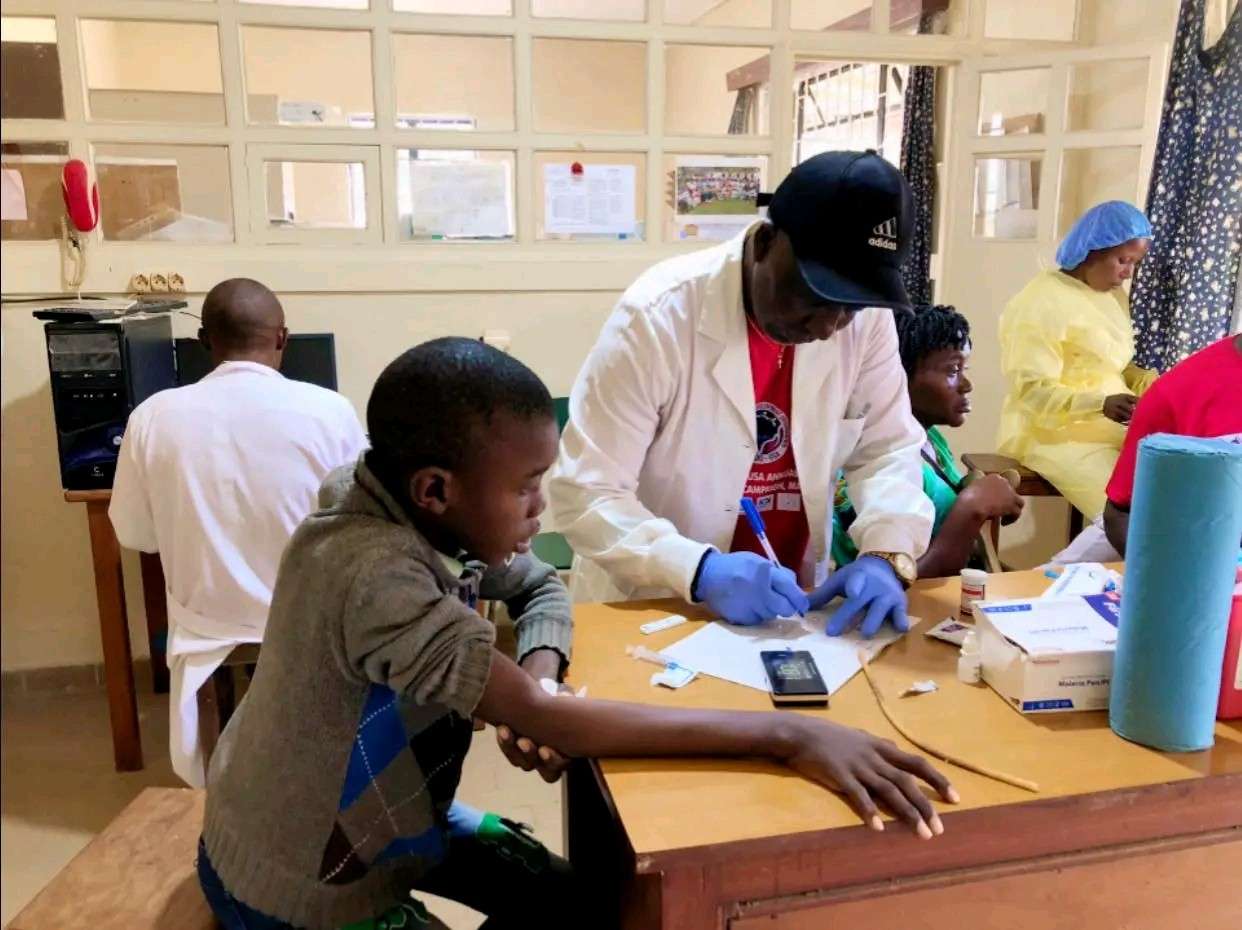
This gratitude was rooted in a critical historical reality. In the early 1960s, the Bangwa people faced an existential threat from sleeping sickness, with infant mortality estimated at nearly 90 percent. In desperation, the community turned to prayer. The arrival of Chiara Lubich and members of the Focolare Movement became the response to that prayer, ushering in sustained medical, social, and spiritual interventions. Over time, sleeping sickness was nearly eradicated, and a permanent Mariapolis—later named after Chiara Lubich—was established in Fontem, becoming a lasting symbol of renewal and unity.

Key Stages of the Pilgrimage
Vatican City (Rome)
The pilgrimage began with a general audience with Pope Francis at St Peter’s Square, followed by visits to the tomb of St Peter and other popes, and a guided tour of St Peter’s Basilica. These moments underscored the universal dimension of the Bangwa experience within the wider Catholic Church.
Loppiano
The second stage brought the delegation to Loppiano, one of the international towns of the Focolare Movement. During this visit, the Fon of Akum, who also serves as Vice-President of the Fon Friends of the Focolare Movement, emphasized continuity and responsibility:
At the same gathering, Italian regional leader Massimo Toschi recalled his first visit to Fontem ten years earlier, describing it as a living expression of a “field hospital” Church—an image later popularized by Pope Francis.
Trent
On 24 September 2016, the delegation travelled to Trent, the birthplace of Chiara Lubich. They visited sites associated with her life and with the origins of the Focolare Movement during the Second World War. The Bangwa leaders met local citizens, institutional representatives, the mayor, and the archbishop, reinforcing bonds between local Italian communities and the people of Fontem.
Rocca di Papa
The final stage took place at the international centre of the Focolare Movement in Rocca di Papa, where Chiara Lubich lived for many years and where she is now buried. Here, the Fon of Fonjumentaw recalled Chiara Lubich’s final visit to Fontem in 2000, when she proposed a solemn pact—an agreement to love one another as Christ loves.
“This was Chiara’s testament,” he stated. “After that pact, we were not the same anymore. Today, I invite everyone to make the same pact in the name of all humanity.”
Closing Reflections and Symbolism
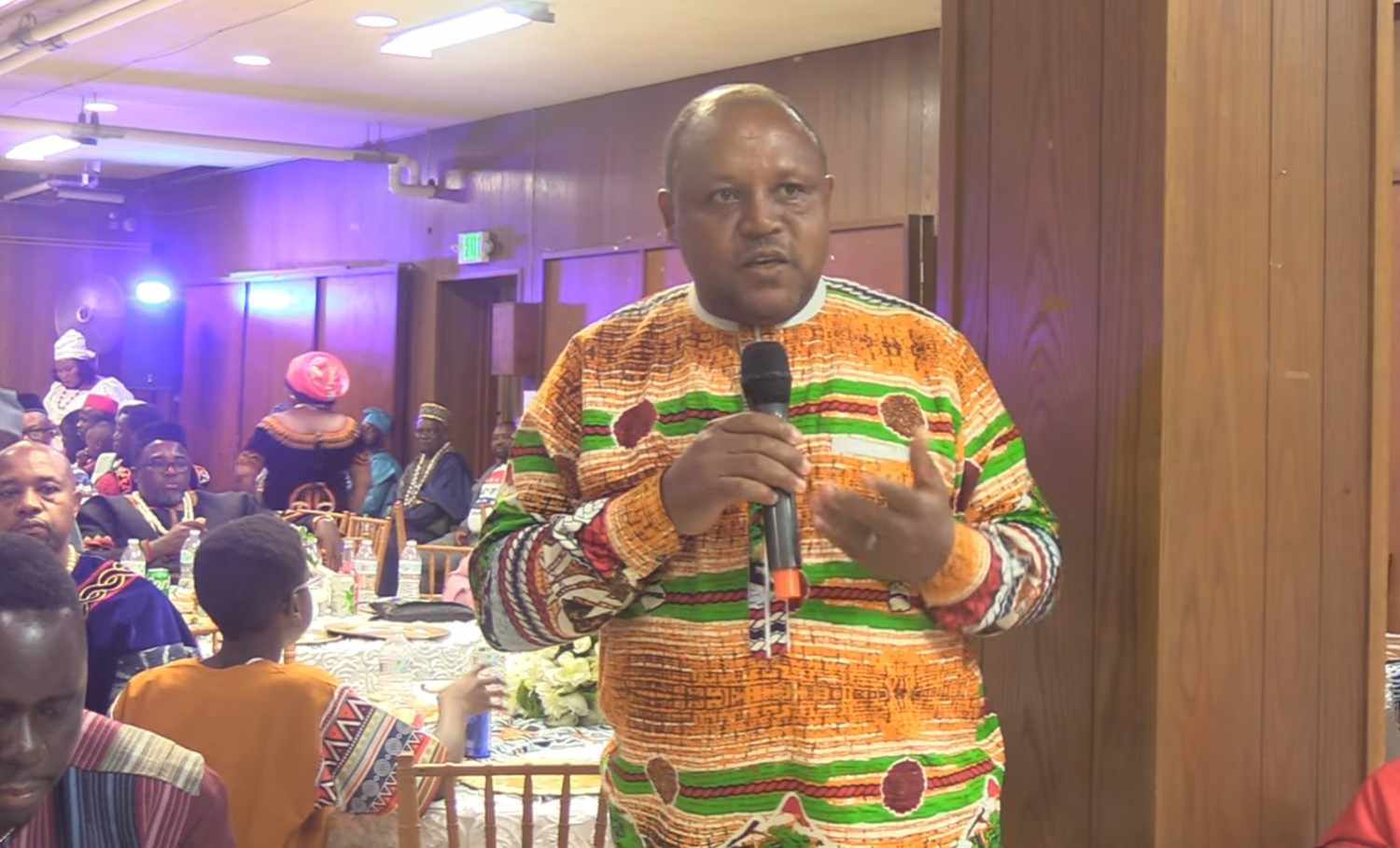
The pilgrimage concluded with a farewell meal marked by speeches, expressions of gratitude, and the exchange of symbolic gifts. Several Fons and Mafuas presented traditional items to the Focolare community. One particularly notable message came from Essoh Attah, who referenced a Bangwa proverb emphasizing mutual dependence between neighbouring peoples. Reinterpreting it in the light of Chiara Lubich’s legacy, he said:
A journalist from Bamenda who accompanied the delegation offered a final reflection that captured the spirit of the journey:
Historical Significance
The 2016 Bangwa pilgrimage to Italy stands as a landmark event in the history of Fontem and the Bangwa people. It formally linked five decades of spiritual friendship, social transformation, and medical progress to a collective memory shared across generations. As a historical record, the pilgrimage affirms the enduring impact of Mafua Ndem—Chiara Lubich—and the Focolare Movement on the identity, resilience, and future of the Bangwa people.



💬 Comments