
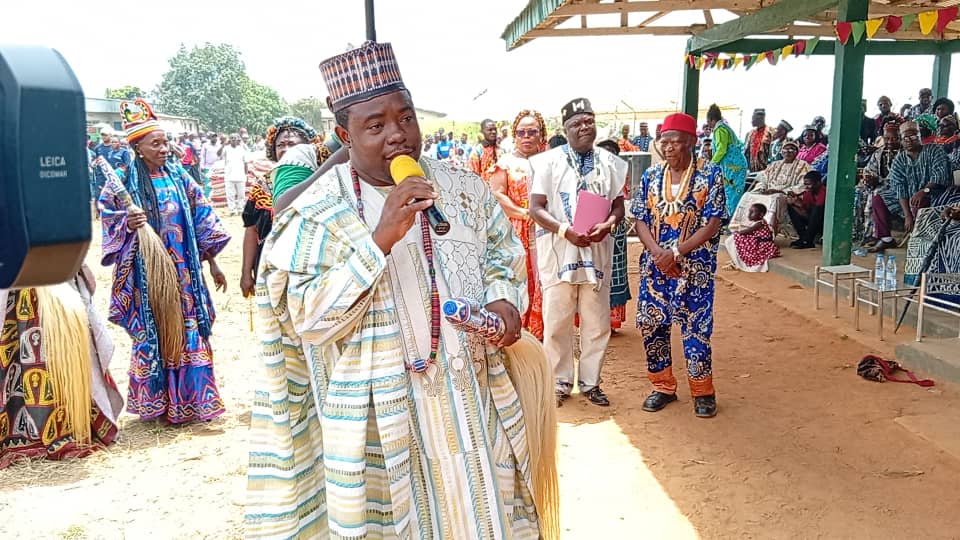

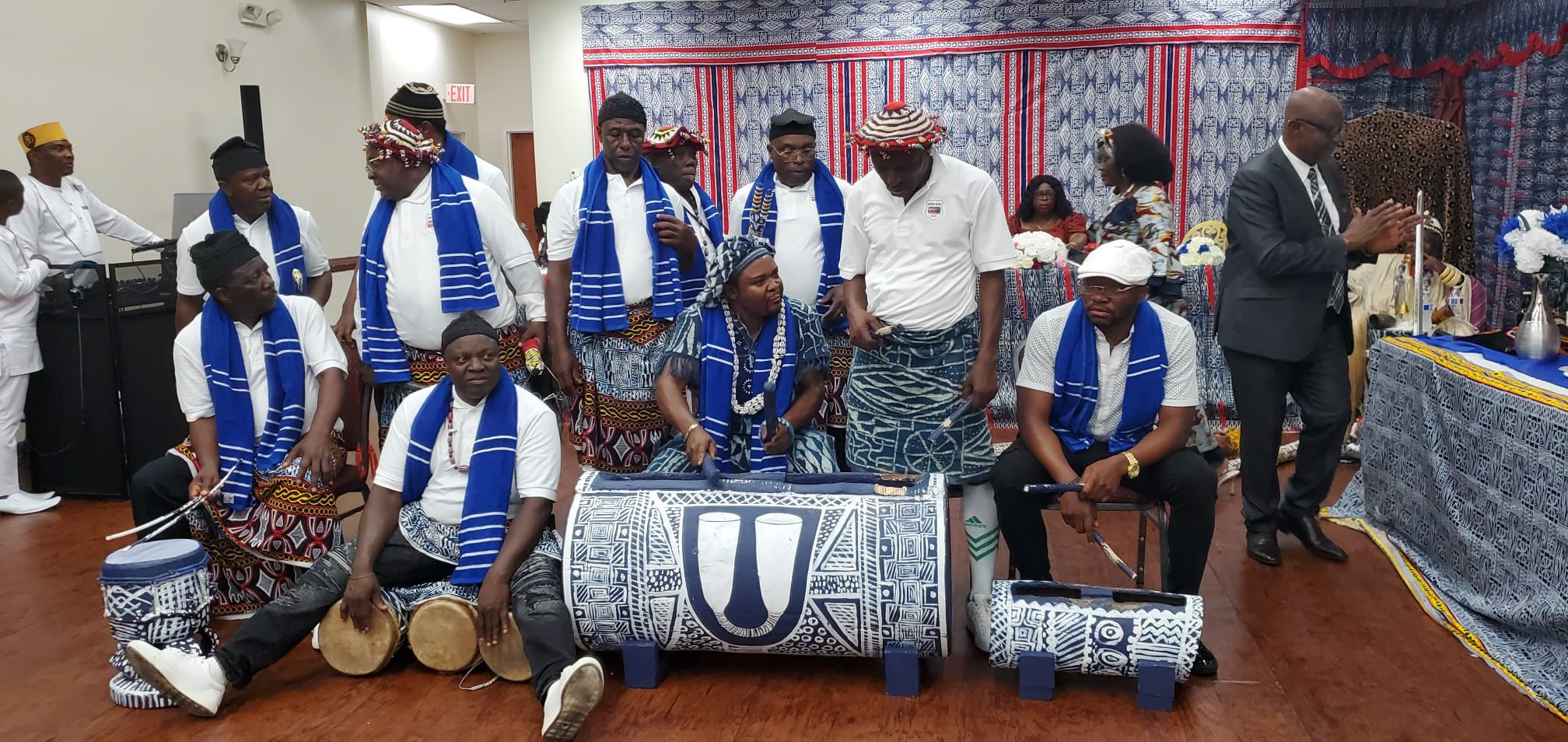
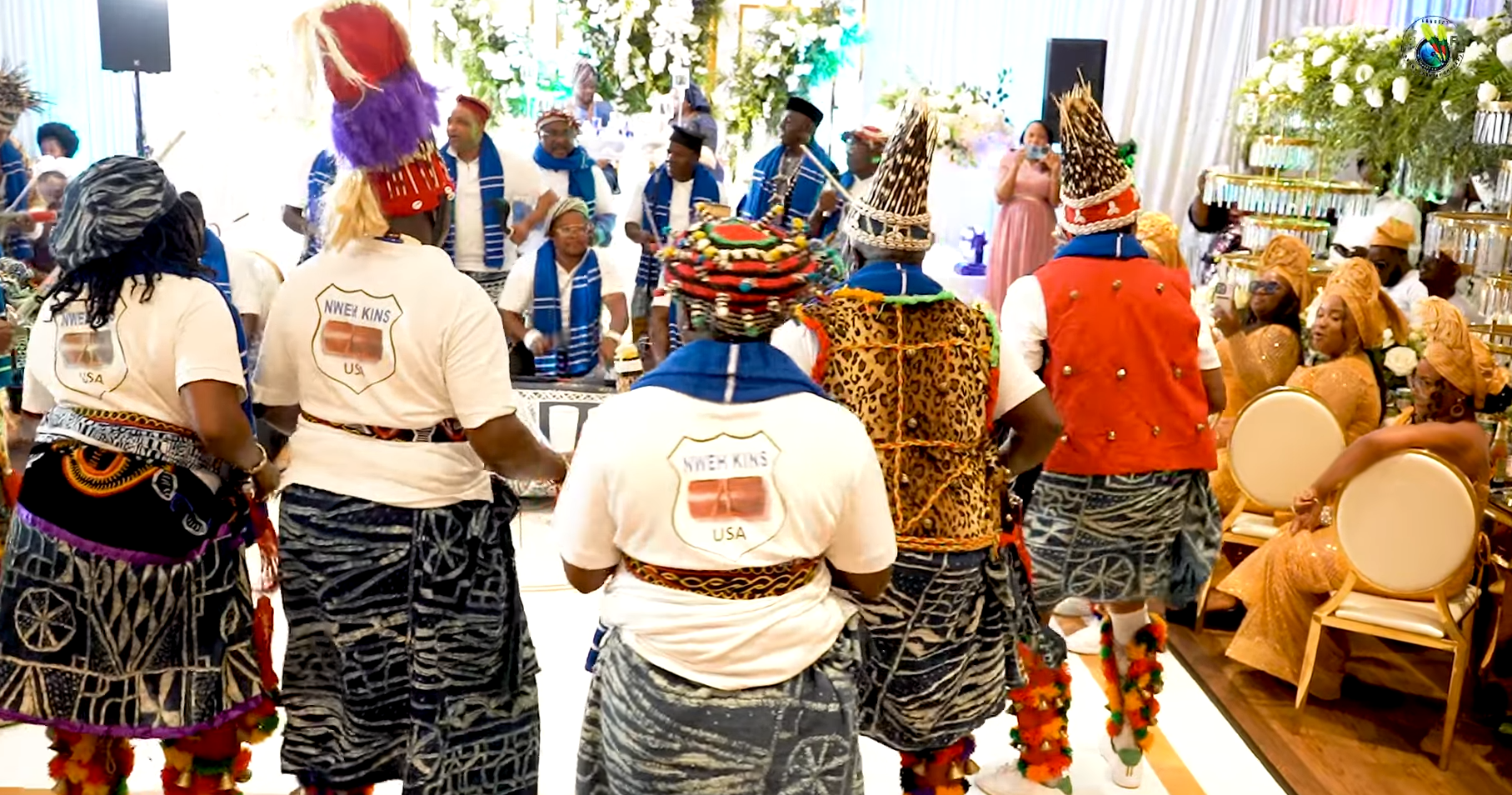
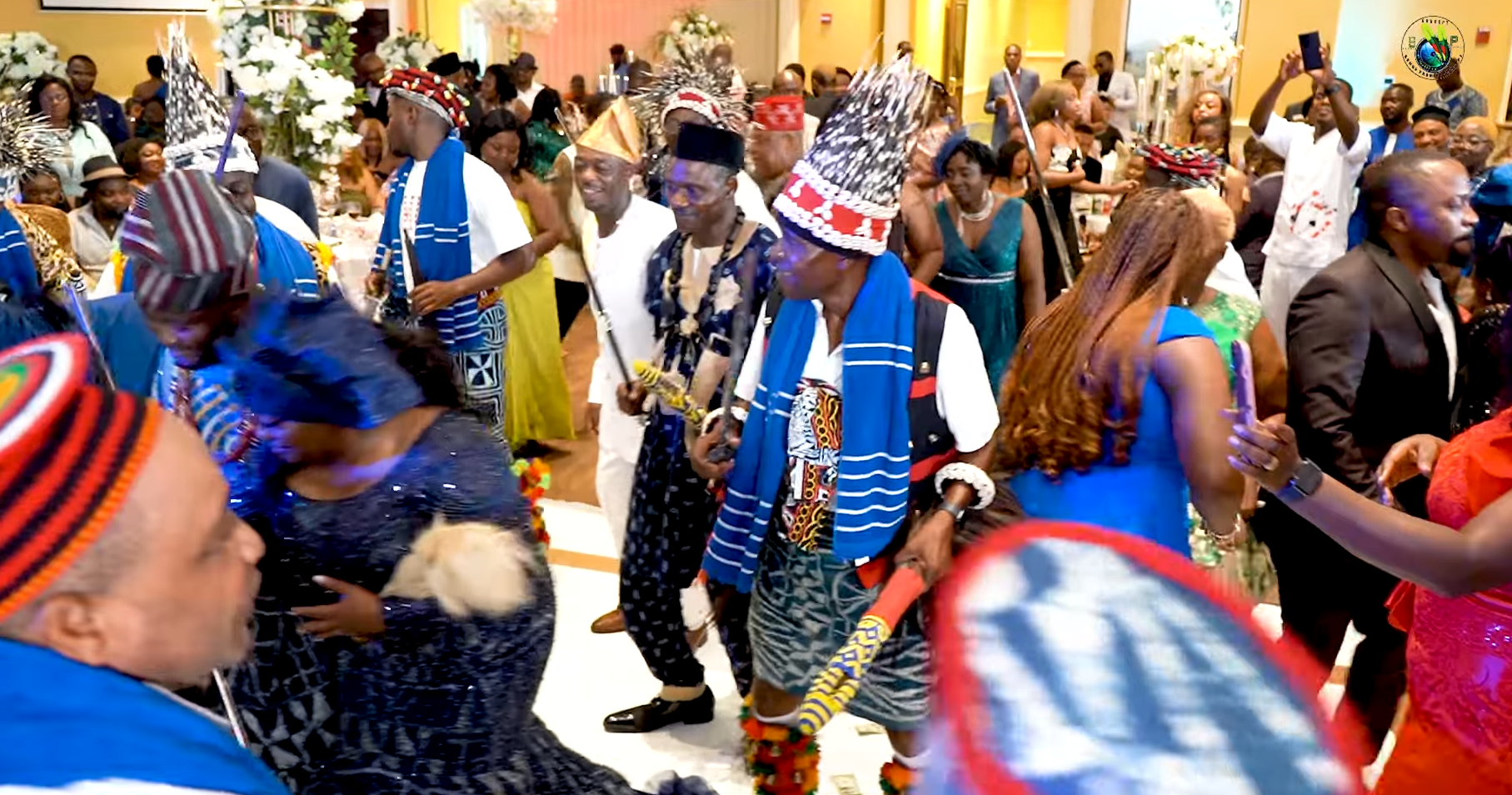
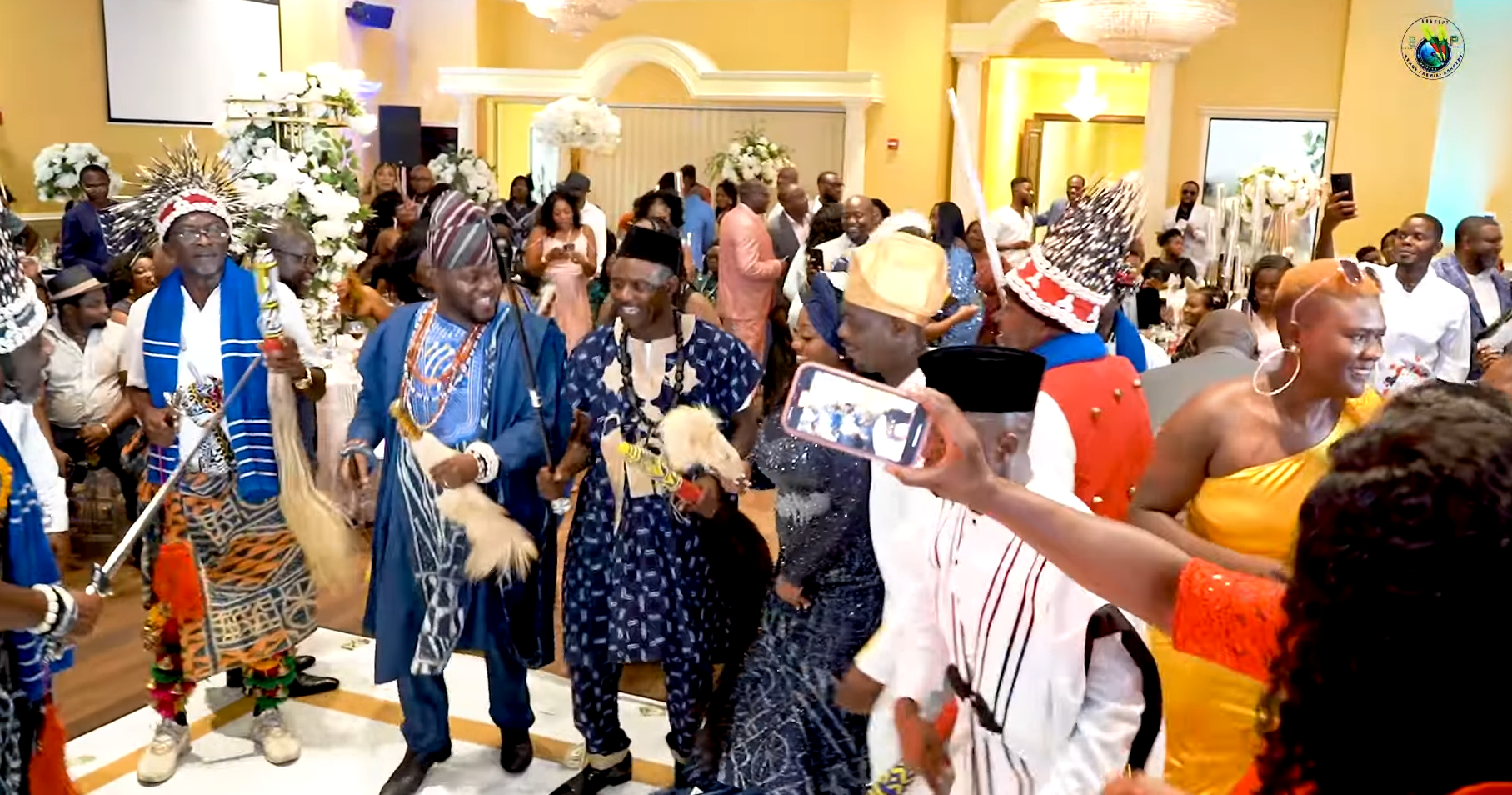
The Nweh Kins Traditional Dance Group is a Lebialem traditional dance and drumming association based in the United States of America. The group was established with the primary purpose of preserving, promoting, and transmitting the rich cultural heritage of the Lebialem people through indigenous drumming, singing, and dance. Its work serves both the Lebialem community at home and those living in the diaspora.
Origins and Founding Vision
The vision for the establishment of Nweh Kins was conceived by Jonas F. Amindeh, a son of the Lebang Fondom and a highly respected traditional drummer, singer, interpreter, and cultural custodian within the Lebialem Division. His reputation spans the Fontem, Alou, and Wabane Sub-Divisions, where he is widely recognized for his mastery of traditional drumming and deep understanding of the cultural language embedded in Lebialem music.
Motivated by a lifelong passion for cultural preservation, Jonas F. Amindeh sought to create a structured platform through which younger generations could learn, appreciate, and sustain Lebialem traditions. This vision became the foundation upon which Nweh Kins was built.
Cultural Meaning of the Name
The name “Nweh Kins” carries profound cultural significance. Nweh symbolizes identity, representing ethnic roots and collective belonging, while Kins signifies people united by shared ancestry, culture, and deep familial bonds. Together, the name reflects unity, cultural pride, and the continuity of traditional governance through music and performance.
Composition and Representation
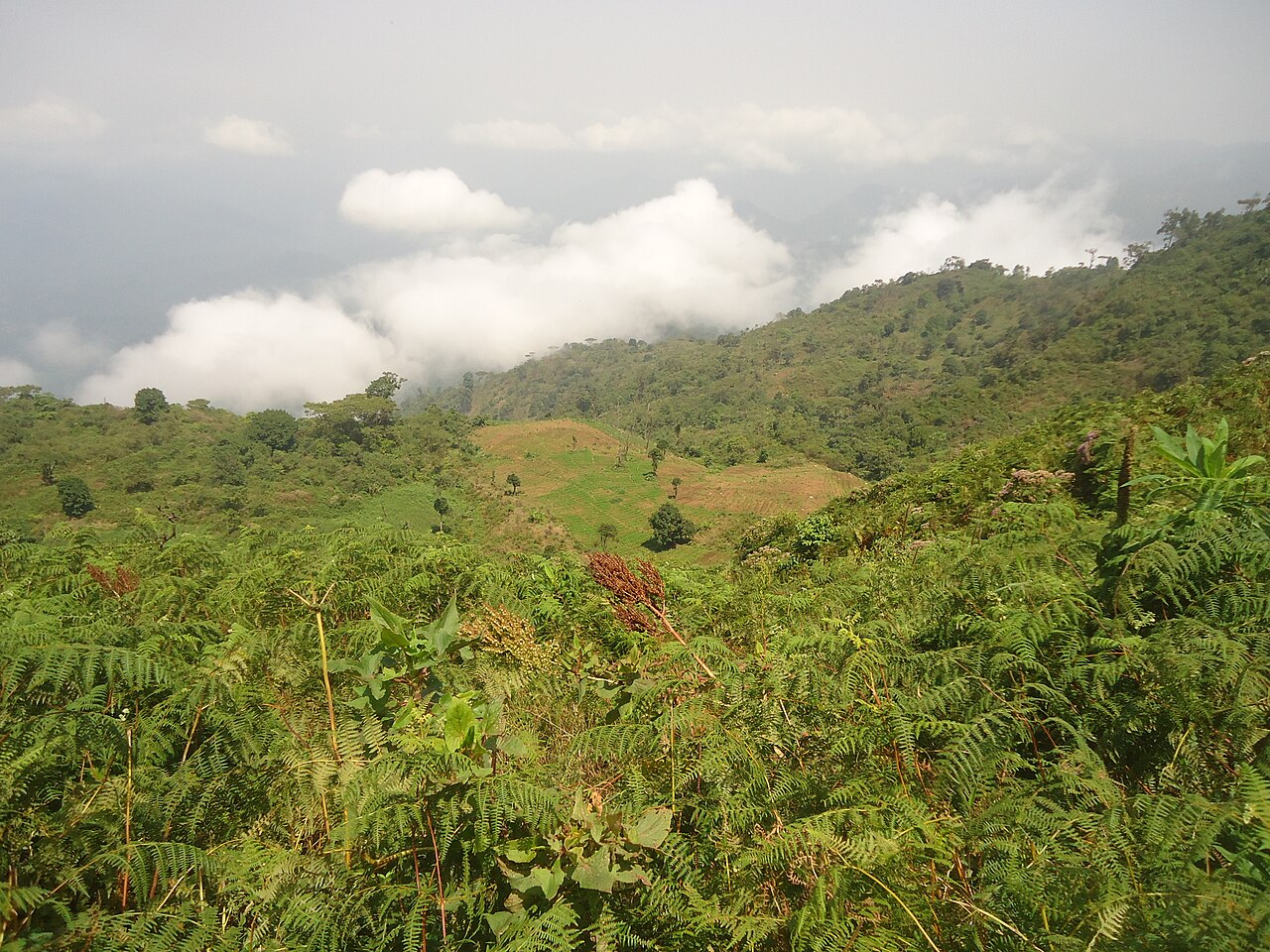
Nweh Kins brings together members from various Fondoms within the Lebialem Division, creating a diverse yet unified cultural body. Representation includes the Njoagwi, Foreke Cha-Cha, and Lebang Fondoms of the Fontem Sub-Division; Lewoh, Ndungated, Nwematew, M’Mock-Mbi, M’Mock-Ngie, and Nwangong communities of the Alou Sub-Division; and the Folepi, Bamumbu, Bangang, Ngong, Bechati, Besali, and Banti Fondoms of the Wabane Sub-Division. This broad representation strengthens inter-community unity and enriches the group’s cultural expression.
Mission and Leadership
The core mission of the association is to train and empower young people from the Lebialem Division, both locally and in the diaspora, by equipping them with traditional drumming, singing, and performance skills. This mission is guided and enforced by Jonas F. Amindeh, the Founder and Chief Executive of Nweh Kins, who holds the traditional appellation “Tandia Ekung.”
The title Tandia Ekung is bestowed upon individuals entrusted with overseeing and coordinating all traditional aspects of the group. In this role, Jonas F. Amindeh ensures that cultural values, authenticity, and traditional protocols are upheld. He also serves as the principal instructor in drumming, song interpretation, communication, and dance.
Cultural Formation and Mentorship
Jonas F. Amindeh originates from Bellua Village in the Lebang Fondom. He is an award-winning artist and an expert in interpreting the language of the Nweh drums. This recognition was conferred by His Royal Highness Dr. Fonkem Achankeng, the traditional ruler of Atobechet Village in the Lewoh Fondom.
His formative years were spent under the mentorship of renowned custodians of Lebialem tradition who entrusted him with the discipline, spirituality, and communicative power of traditional drumming. Among these elders were Mbe Nkanjo of Njentse, who trained him in drum language and rhythm translation from Akap to Nweh; Mr. Sylvester Atemanjuh; Nkwetta Mbe Wenjah (Pa John Fonya), a master drummer of the Nduk from Njeh Lebang; Mbe Tanyiajong of Bellah Ngangagah; Mbe Forti of Njentse; Pa Michael Atemtagim; Pa Thomson of Ndungated; and Forchap of Lewoh, who inspired his mastery of the Nkwe traditional dance.
Artistic Mastery and Cultural Vision
Through years of dedication, Jonas F. Amindeh mastered and performed several renowned traditional dances, including Aluachaba, widely practiced across the Fontem and Alou Sub-Divisions, as well as Nkang, Leyah, Akoh Njang (Akoh Mbe Fosoh), and Lefem. These experiences shaped his broader cultural vision for Nweh Kins.
A central aim of this vision was to demystify traditional drumming, which many young people had previously perceived as a ritual practice reserved for a select few. By promoting inclusivity and accessibility, he transformed traditional drumming into an educational and culturally enriching practice open to all interested youths.
Growth, Impact, and Activities
The impact of this initiative is clearly evident. Today, many young people actively benefit from the group’s training programs. More than ten members are proficient in performing traditional songs and playing indigenous instruments such as Eka-Etat, Nduk, Nqui-Ndim, and others.
Nweh Kins has participated in numerous cultural events, including programs organized by the Lebialem Cultural and Development Association (LECDA), as well as weddings, funerals, and other traditional ceremonies. Through these activities, the group serves as a living platform for cultural expression, education, and continuity.
Institutional Recognition and Membership
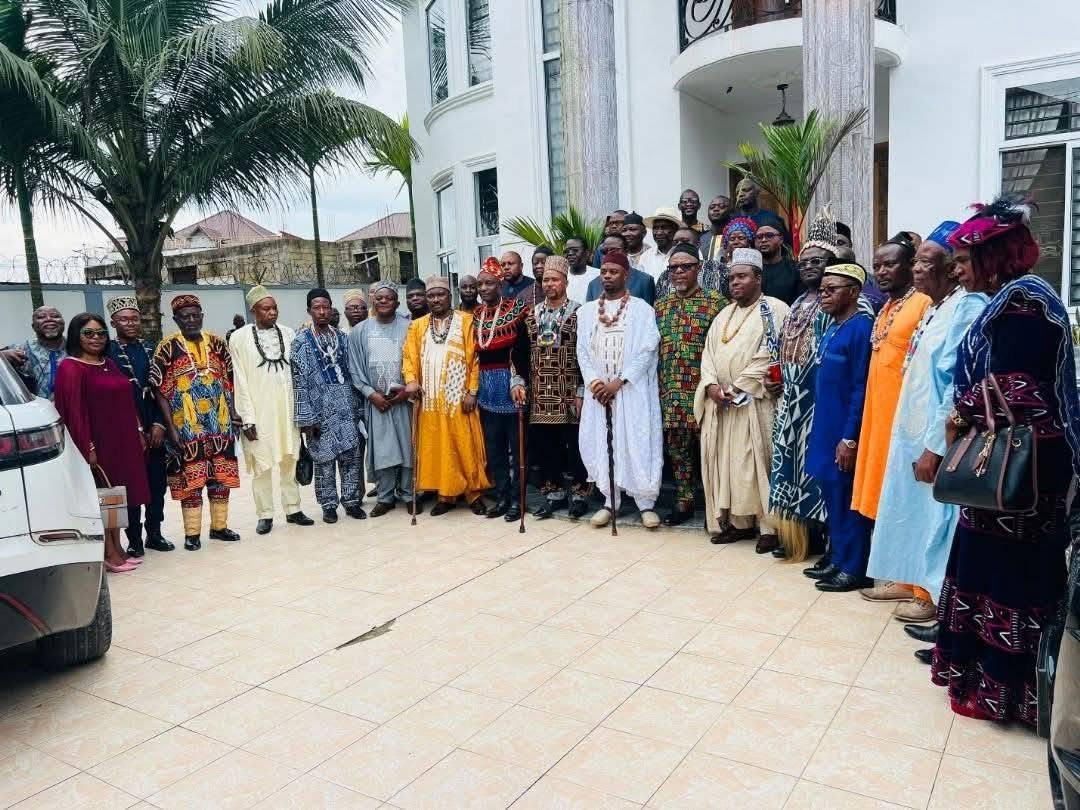
Within two years of its establishment, the association recorded significant progress, registering over fifty members. Its membership includes highly respected traditional authorities such as His Royal Highness Chief Forchaleke and His Royal Highness Chief Forka, alongside prominent community figures, including Ndi Mbetandongfuet George and all seventeen Fons of the Lebialem Sub-Divisions. This achievement marks a major milestone in the group’s development and reflects its growing influence and acceptance within the Lebialem community.
Conclusion
The Nweh Kins Traditional Dance Group has emerged as a powerful symbol of cultural resilience, unity, and the preservation of indigenous knowledge. Through its structured training, inclusive philosophy, and active participation in cultural life, the group plays a vital role in transmitting Lebialem heritage across generations, particularly among diaspora communities. The contributions of Jonas F. Amindeh extend beyond Lebialem, impacting cultural communities in locations such as Mutengene, Yaoundé, and Kumba, where he continues to teach, inspire, and promote traditional African cultural values.

💬 Comments