

Establishment and Administrative Evolution
Lebialem Division is one of the six administrative divisions of the South West Region of Cameroon. The division was officially created in 1992 through a Presidential Decree signed by Paul Biya, as part of Cameroon’s broader administrative reforms aimed at decentralization and improved local governance.
Prior to its elevation, Lebialem existed as the Fontem Subdivision, which was administratively attached to Manyu Division. The 1992 decree upgraded Fontem from a subdivision to a full-fledged division, thereby granting it greater administrative autonomy and direct representation within the regional governance structure.
The newly created division established its administrative headquarters in Menji, located within the Fontem area. Menji has since functioned as the political and administrative center of the division.
Administrative Structure
Lebialem Division is administratively organized into three subdivisions, each responsible for local governance, development coordination, and traditional affairs within its jurisdiction:
Alou Subdivision
Fontem Subdivision
Wabane Subdivision
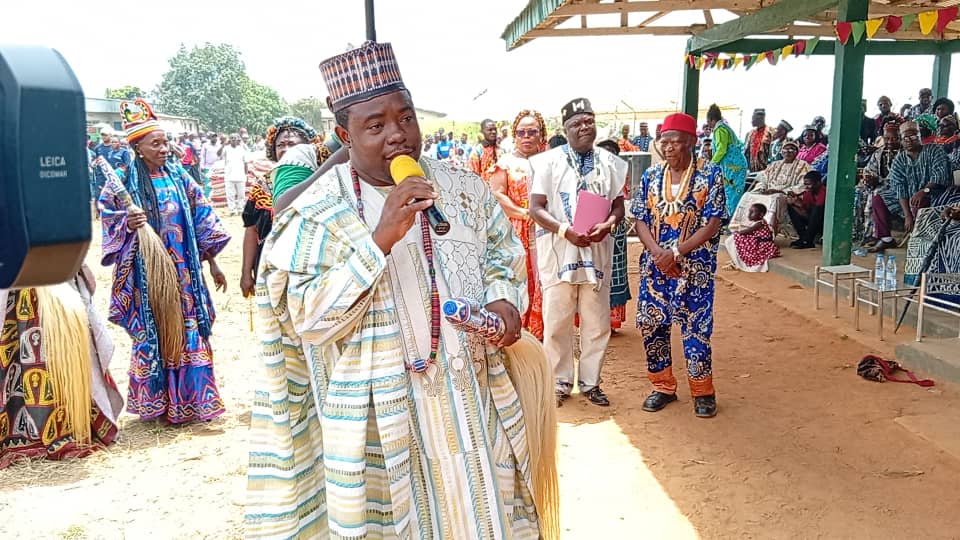
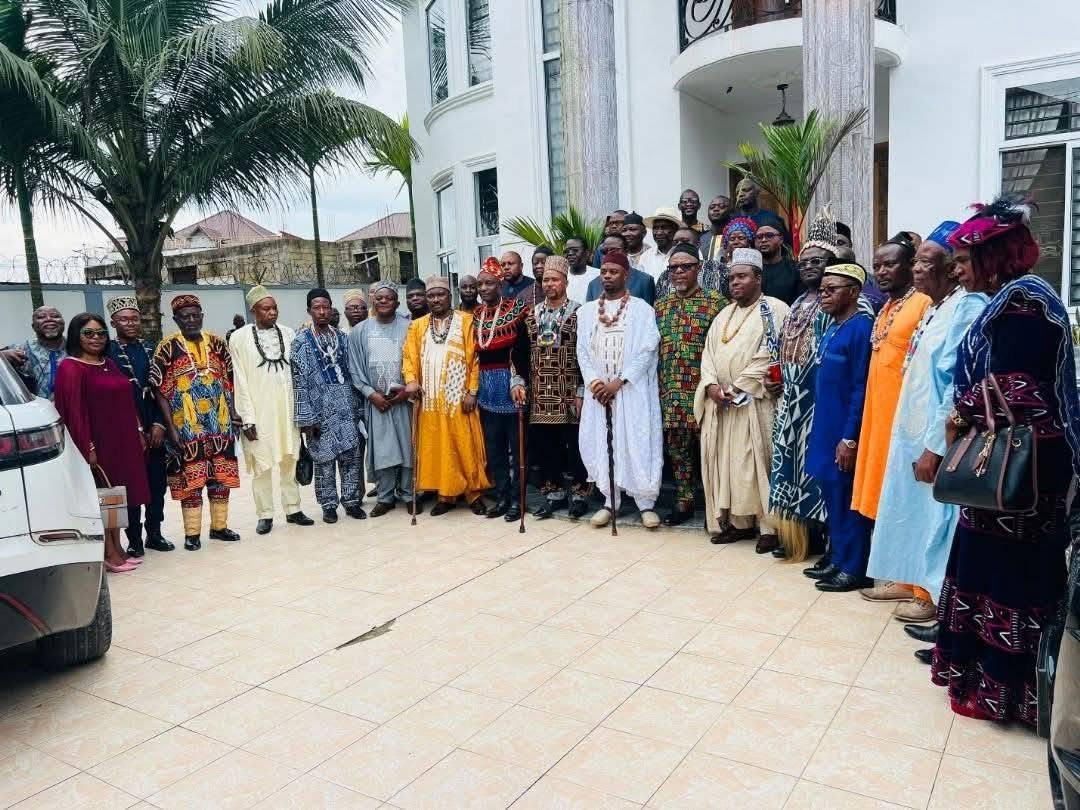
These subdivisions operate alongside traditional institutions, particularly the fondoms, which remain central to local authority and social organization.
Geographical Location and Boundaries
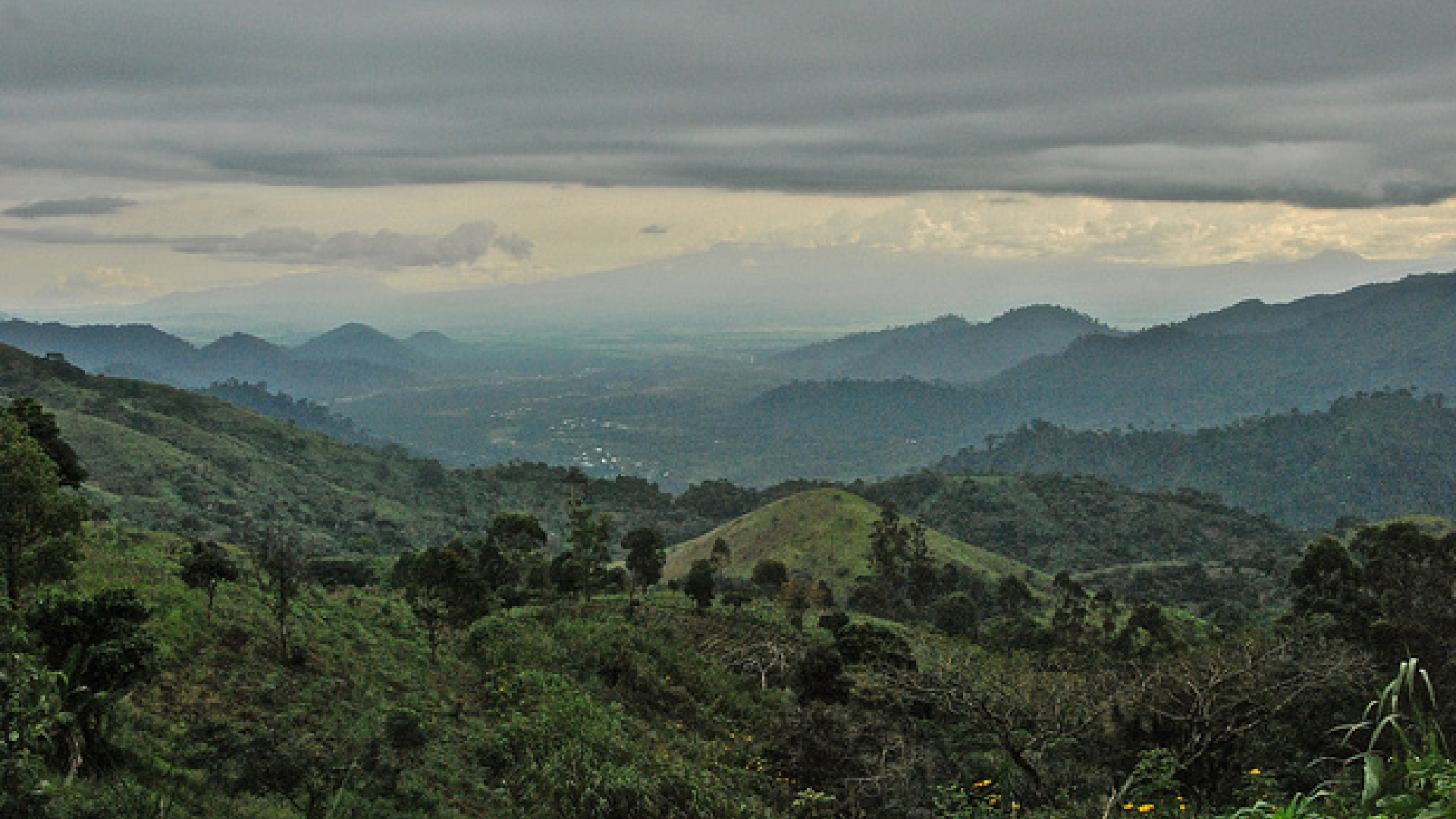
Lebialem Division is situated in the mountainous north-eastern zone of the South West Region, a location that has significantly influenced its settlement patterns, climate, and historical isolation.
The division shares boundaries with several administrative units:
East: Menoua Division of the West Region
South and South-West: Manyu Division and Kupe-Muanenguba Division
North: Momo Division of the North West Region
This strategic positioning places Lebialem at the crossroads of multiple cultural and administrative zones, reinforcing its role as a transitional highland region.
Topography and Altitude
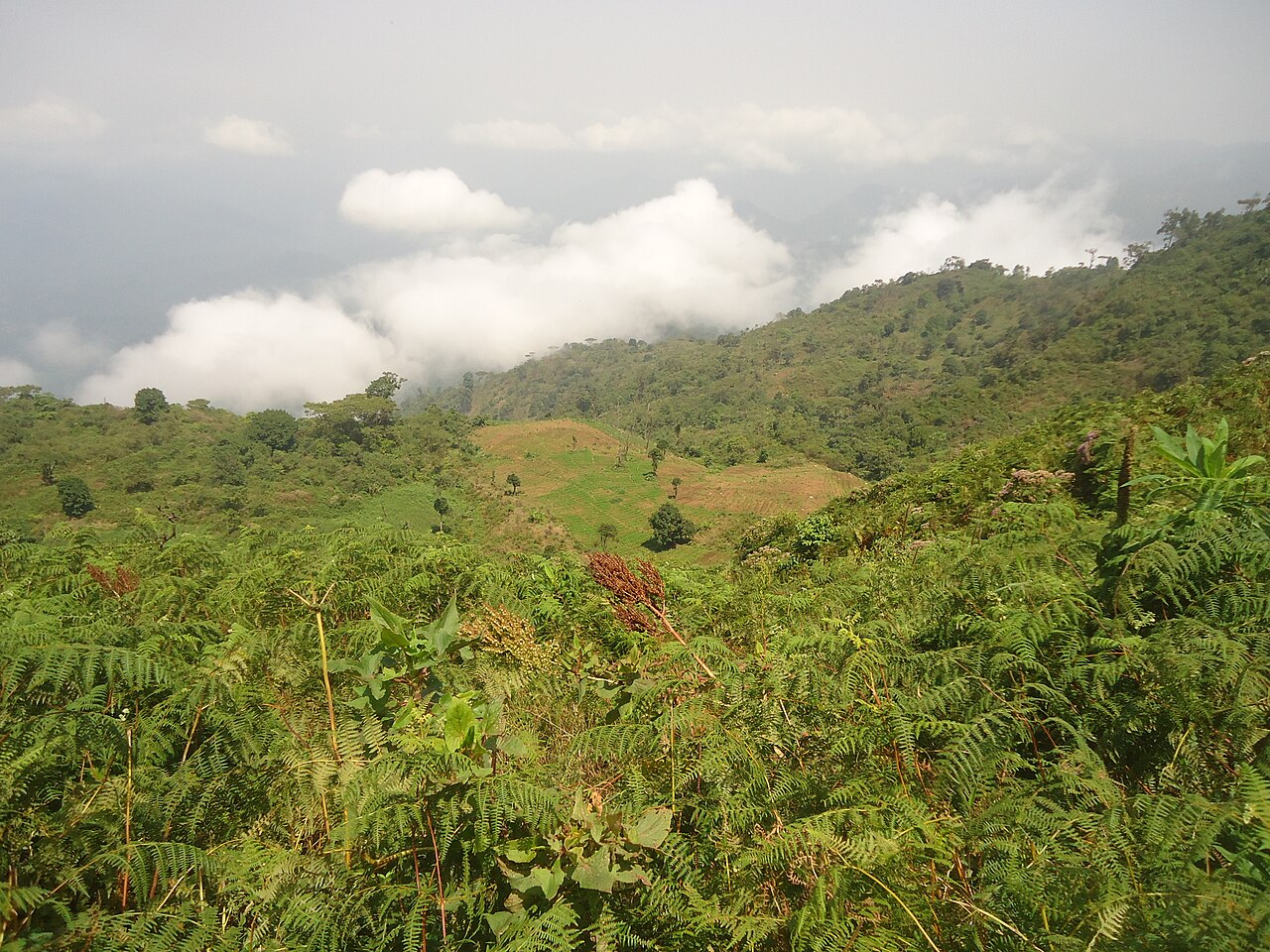
Lebialem Division is characterized by rugged mountainous terrain, forming part of the western highlands of Cameroon. The altitude varies considerably across the division:
Lowest elevation: approximately 180 meters above sea level (a.s.l.)
Highest elevation: approximately 2,510 meters above sea level (a.s.l.)
This wide altitudinal range contributes to diverse microclimates, ecological zones, and settlement distributions, and has historically shaped agriculture, transportation, and inter-community relations.
Historical Significance
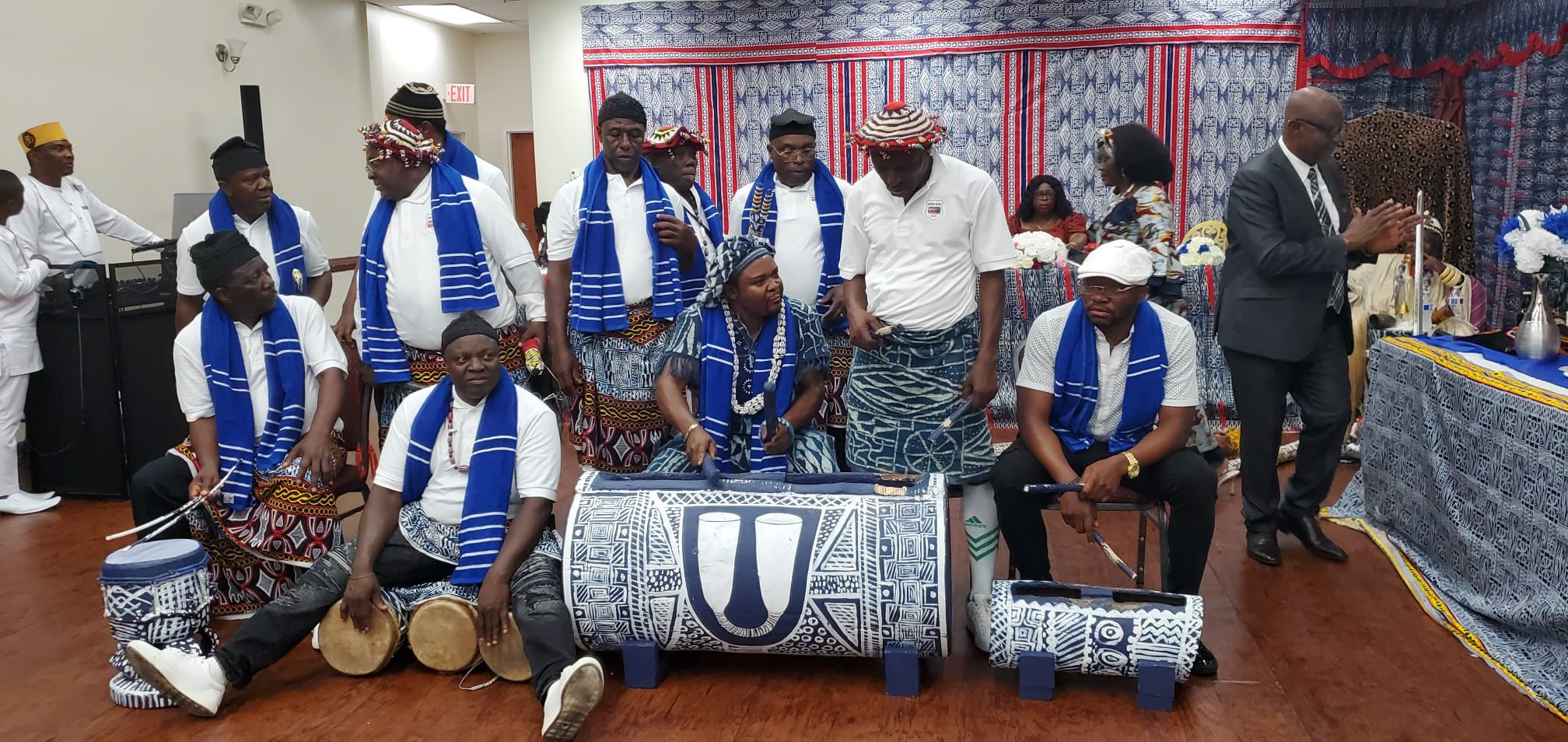
The creation of Lebialem Division in 1992 marked a turning point in the political and administrative recognition of the area. It acknowledged the region’s distinct historical identity, cultural complexity, and need for localized governance. Despite modern administrative structures, traditional institutions—particularly fondoms—continue to coexist with state authority, preserving continuity between past and present governance systems.
Conclusion
Lebialem Division stands as a product of both historical continuity and administrative reform. From its origins as the Fontem Subdivision under Manyu Division to its recognition as a full administrative division with headquarters in Menji, Lebialem reflects Cameroon’s evolving approach to governance in culturally diverse and geographically complex regions. Its mountainous landscape, strategic borders, and layered administrative history make it a subject of lasting historical and academic importance.

💬 Comments