



Introduction
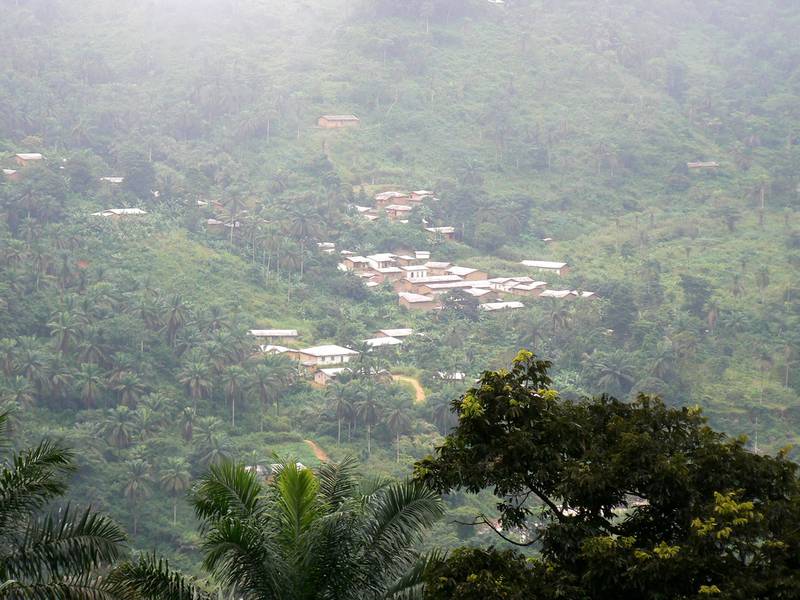
The name Lebialem Division is historically derived from a remarkable natural landmark known as the Lebialem Waterfall. Locally pronounced “Lebe-alem”, the name is etymologically understood to mean “a hill from which water drops into a pool.” This descriptive naming reflects both the physical geography and the cultural perception of the landscape by the indigenous communities.
The Twin-Waterfall Phenomenon
The Lebialem Waterfall is unique in both formation and symbolism. It originates from two distinct and geographically separate rivers:
Begeuh River
Ntsembeuh River
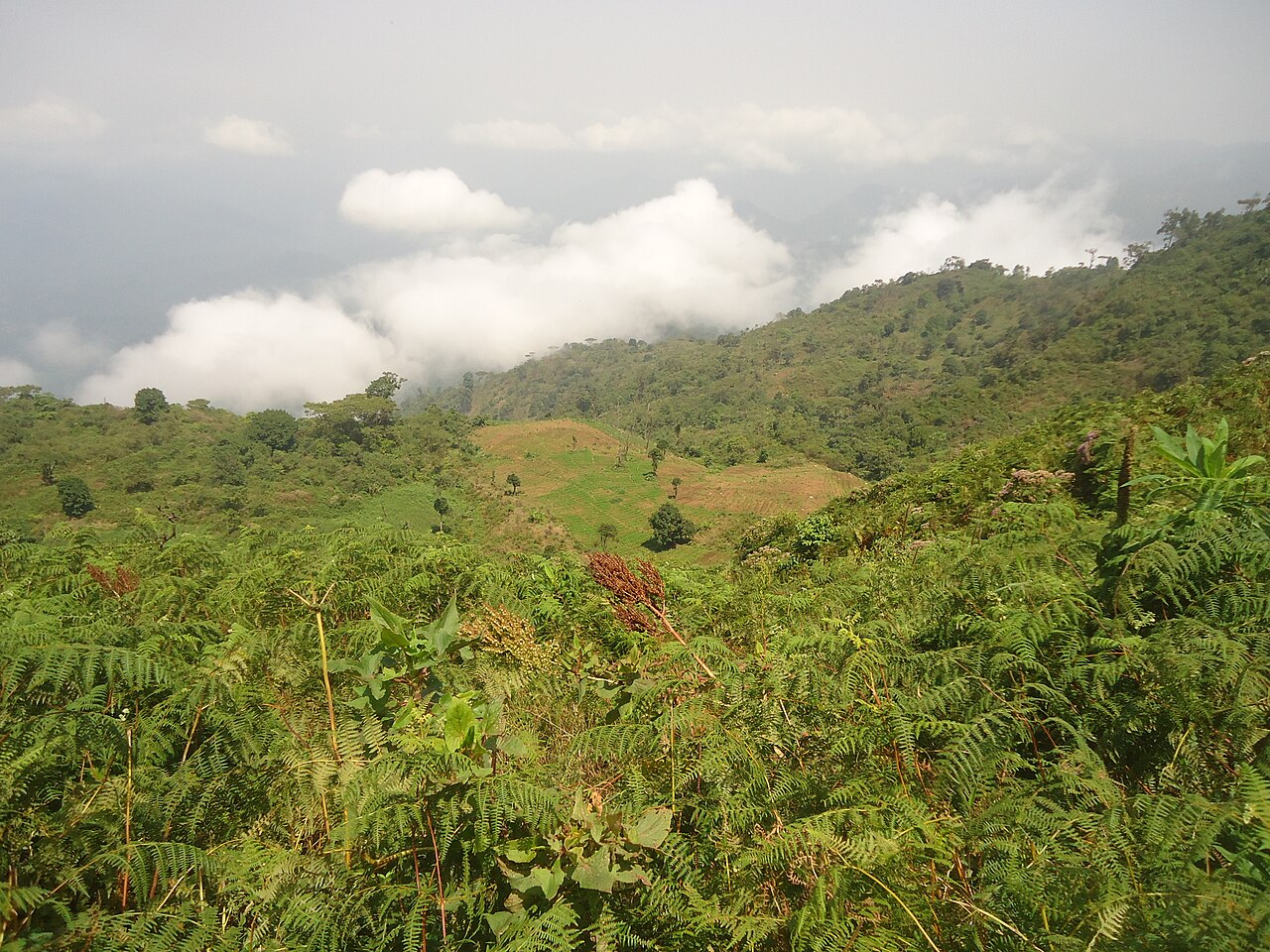
Despite flowing from different catchment areas, these two rivers converge at a steep hill in very close proximity, where they simultaneously plunge downward to form a single pool at the base of the escarpment. This rare convergence creates the visual impression of a twin waterfall, a feature that has long inspired reverence, oral tradition, and regional identity.
Cultural and Historical Significance
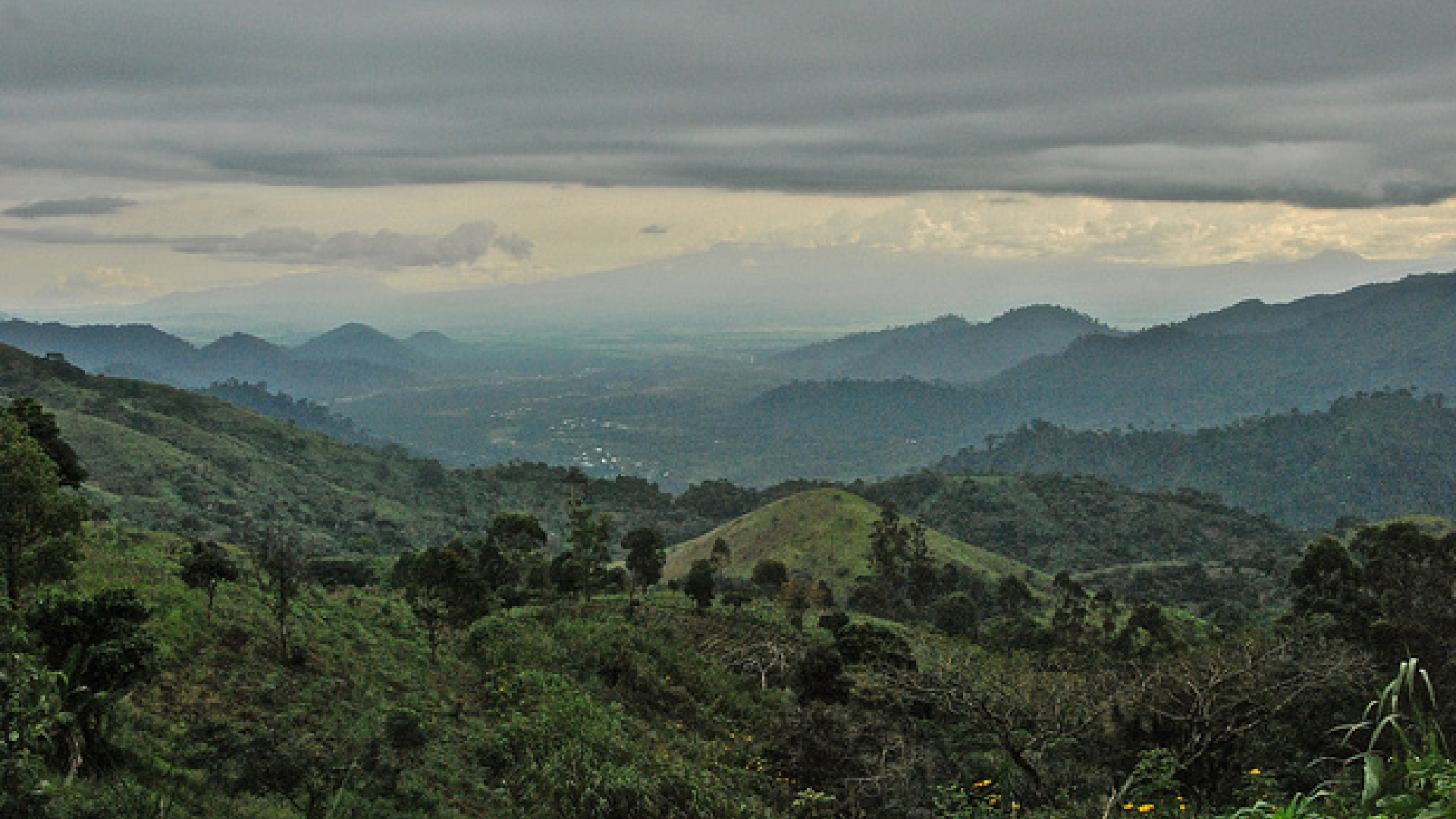
Historically, the Lebialem Waterfall served not only as a geographical reference point but also as a cultural symbol. Its dramatic descent from the highlands into a shared pool was interpreted by early inhabitants as a sign of unity arising from diversity, a theme that resonates with Lebialem’s composition of multiple fondoms and tribal groups.
Over time, the waterfall’s name became synonymous with the surrounding highland territory, eventually giving rise to the name Lebialem, which was later adopted officially for the administrative division established in 1992.
Enduring Legacy
Today, the Lebialem Waterfall remains a natural monument of historical importance, anchoring the identity of the division and reinforcing the deep connection between landscape, language, and heritage. The naming of Lebialem Division after this landmark underscores the role of natural features in shaping place names and collective memory in the South West Region of Cameroon.



💬 Comments