

Introduction
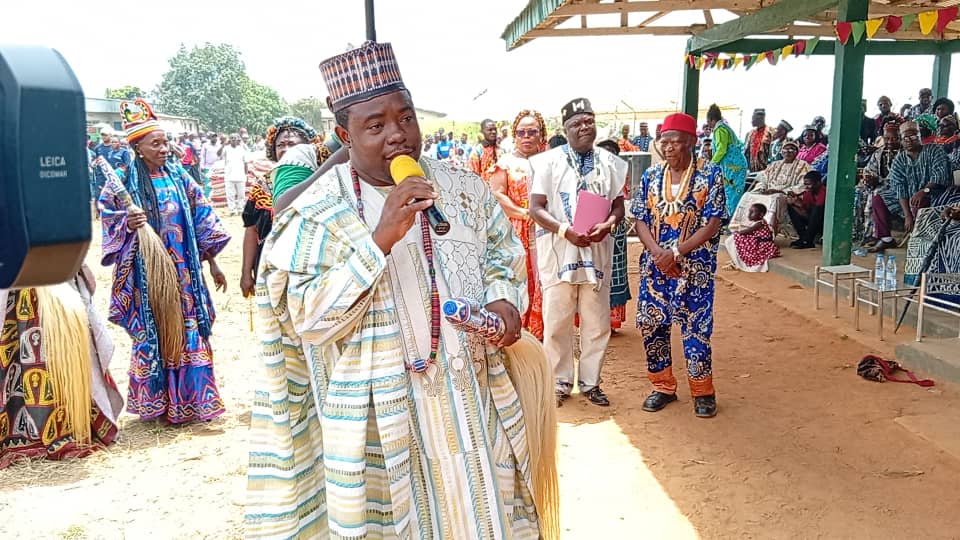
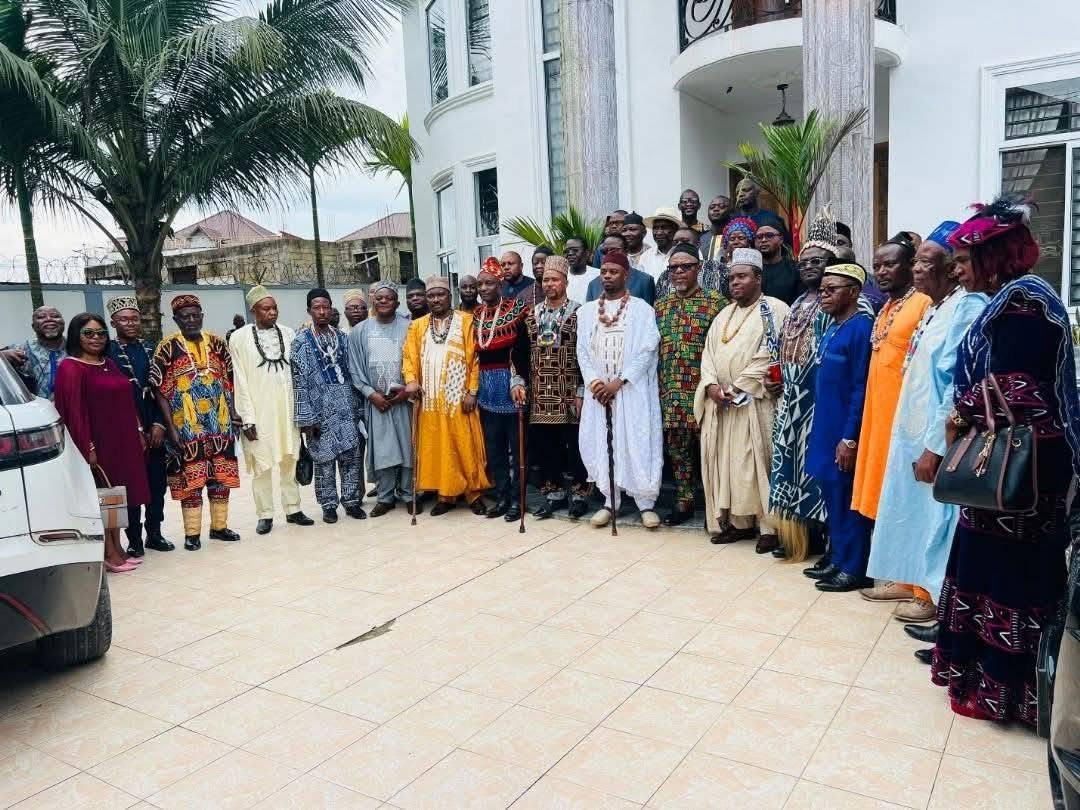
The social and political history of Lebialem Division, located in the Southwest Region of Cameroon, is deeply rooted in its traditional fondoms. Long before colonial or modern administrative boundaries were introduced, the people of Lebialem organized themselves into autonomous fondoms, each governed by a Fon and sustained by customary law, ancestral land tenure, and cultural institutions.
Today, Lebialem Division is recognized as comprising 17 traditional fondoms, belonging to three distinct indigenous tribal groups: Nweh/Nwah, M’Mock, and Mundani. These fondoms continue to shape identity, authority, and historical memory across the division.
Traditional Structure of Lebialem Division
Total recognized fondoms: 17
Indigenous tribal groups: 3
Nweh/Nwah
M’Mock
Mundani
Each fondom functions as a sovereign traditional unit, with clearly defined territory, lineage systems, and ritual authority. While modern administration has introduced subdivisions and councils, the fondom remains the most enduring and respected institution in Lebialem society.
The Nweh/Nwah Fondoms (9 Fondoms)
The Nweh/Nwah people form the largest tribal grouping in Lebialem Division. Historically, they are known for their centralized chieftaincy systems, strong inter-fondom alliances, and shared linguistic and cultural heritage. Their fondoms are primarily situated within what is today known as Alou and Fontem areas.
Nweh/Nwah Fondoms
Lewoh – One of the most historically prominent fondoms, long recognized for its traditional influence and leadership lineage.
Ndungated – A fondom with deeply rooted kinship structures and ancestral land systems.
Nwametaw – Known for its cohesive quarters and well-preserved customary practices.
Nwangong – Traditionally agrarian, with strong communal land stewardship.
Essoh-Attah – A significant historical fondom closely tied to regional traditional authority.
Lebang – Renowned for its ancestral continuity and stable chieftaincy succession.
Njogwi – A fondom noted for its role in traditional alliances and conflict mediation.
8–9. (Additional Nweh/Nwah settlements historically recognized under traditional authority)
Collectively, these fondoms form the cultural and historical core of the Nweh/Nwah identity in Lebialem.
The M’Mock Fondoms (2 Fondoms)
The M’Mock people constitute a distinct and historically significant tribal group within Lebialem Division. Although sometimes geographically adjacent to Nweh/Nwah communities, the M’Mock possess a separate identity, language features, and autonomous traditional institutions.
M’Mock Fondoms
M’Mockmbie – A foundational M’Mock fondom, central to the tribe’s historical narrative and ritual life.
M’Muọck Ngie – A culturally rich fondom that preserves unique traditions while maintaining long-standing relations with neighboring fondoms.
The M’Mock fondoms are especially important for understanding diversity within Lebialem, as they illustrate how smaller tribal groups sustained autonomy alongside larger neighbors.
The Mundani Fondoms (8 Fondoms)
The Mundani people occupy a clearly defined cultural landscape, predominantly in the highland zones traditionally associated with present-day Wabane area. Mundani fondoms are historically autonomous and are known for strong clan organization, territorial cohesion, and resilience of traditional governance.
Mundani Fondoms
Bamumbu – The largest and most influential Mundani fondom, often regarded as a cultural reference point.
Bangang – Known for strong lineage authority and communal traditions.
Banti – A highland fondom with deep ancestral ties to land and ritual practice.
Bechati – Strategically located and historically significant in inter-fondom relations.
Besali – Traditionally agrarian, with strong forest and land custodianship.
Folepi – A border fondom with historical interaction across tribal boundaries.
Ngong – Recognized for continuity in traditional leadership.
Egumbo – A smaller but culturally important Mundani fondom.
Together, these eight fondoms define the Mundani traditional world within Lebialem Division.
Historical Importance of the Fondoms
Across the three tribal groups, fondoms serve as:
Custodians of history, land, and customary law
Centers of political authority through the Fon and councils of elders
Archives of oral tradition, ritual practice, and ancestral memory
Primary markers of identity beyond modern administrative boundaries
The survival of these institutions underscores their historical depth and continued relevance.
Conclusion
The 17 traditional fondoms of Lebialem Division, distributed among the Nweh/Nwah (9), M’Mock (2), and Mundani (8) tribal groups, represent one of the most enduring indigenous governance systems in Cameroon’s Southwest Region. Far from being relics of the past, these fondoms remain living institutions—anchoring identity, preserving history, and sustaining cultural continuity.
Any serious historical, anthropological, or administrative account of Lebialem Division must therefore begin with a clear and accurate understanding of its fondoms and the peoples who established them.

💬 Comments