

NJENACHA, FONTEM SUBDIVISION – LEBIALEM:
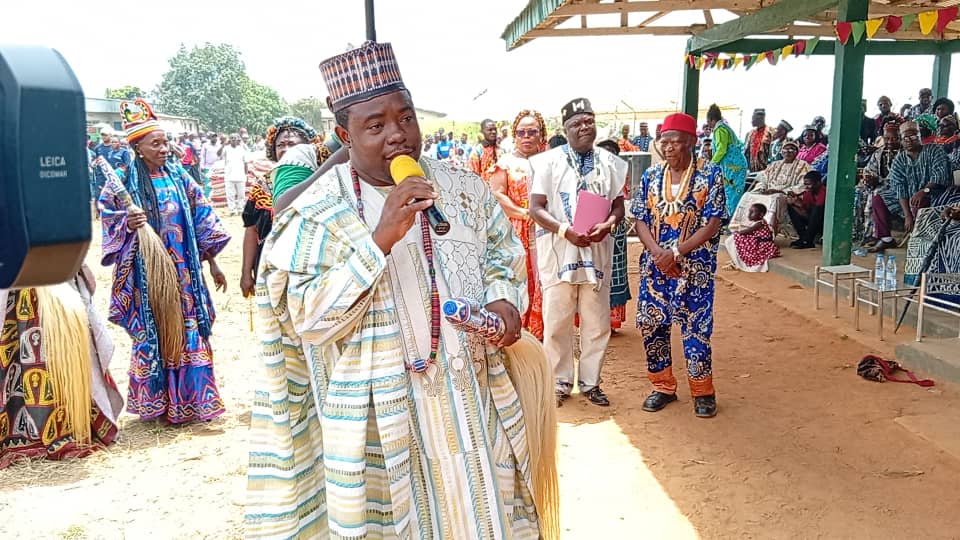
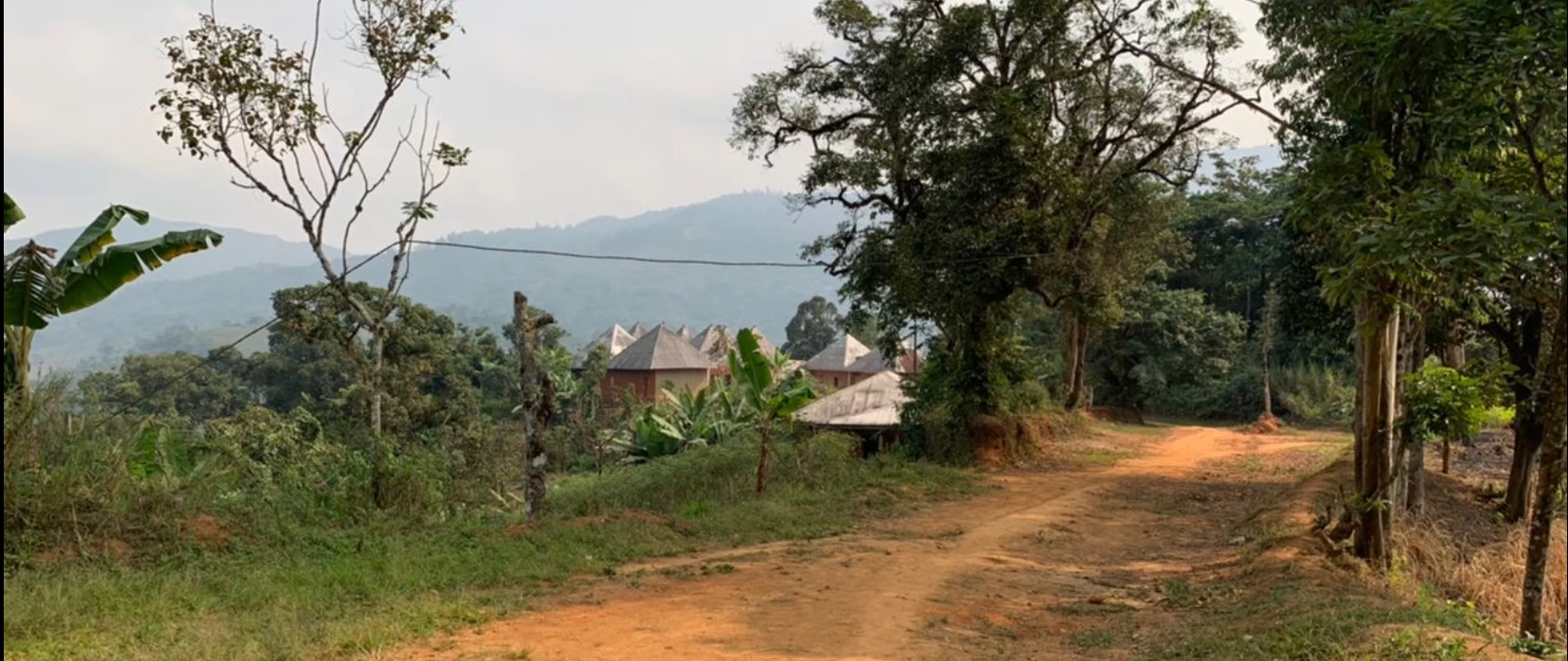
After years of disruption caused by the socio-political crisis in Cameroon’s North West and South West Regions, residents of Njenacha village in the Lebang Fondom, Fontem Subdivision of Lebialem Division are gradually rebuilding their community. Through collective efforts by local leaders, community associations, and members of the diaspora, essential services are being restored while displaced families slowly return to their ancestral homes.
Community-Led Recovery Efforts
The reconstruction drive is being coordinated in part by the Njenacha Cultural and Development Association (NJECUDA), which has launched several grassroots projects aimed at restoring normal life in the village.
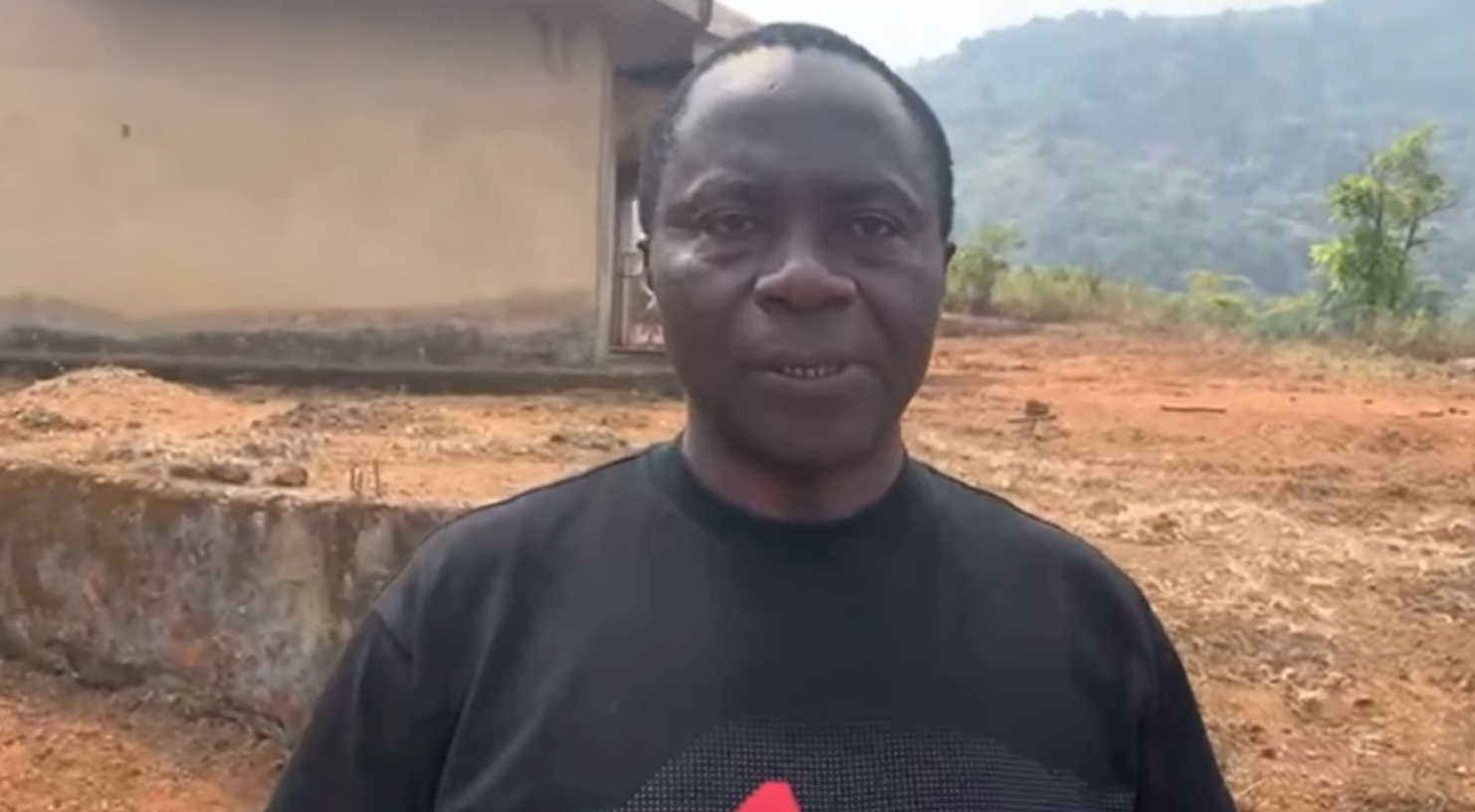
Speaking on the progress made so far, Akafu Donatius, Project Coordinator of NJECUDA, commended residents for their resilience and collective commitment to rebuilding their community.
According to him, the recovery process began after years of hardship during which the crisis forced many families to flee and halted most development activities in the village.
Despite these challenges, community members have begun implementing projects focused on education, water supply, renewable energy, and road accessibility.
Primary School Reopens After Years of Disruption
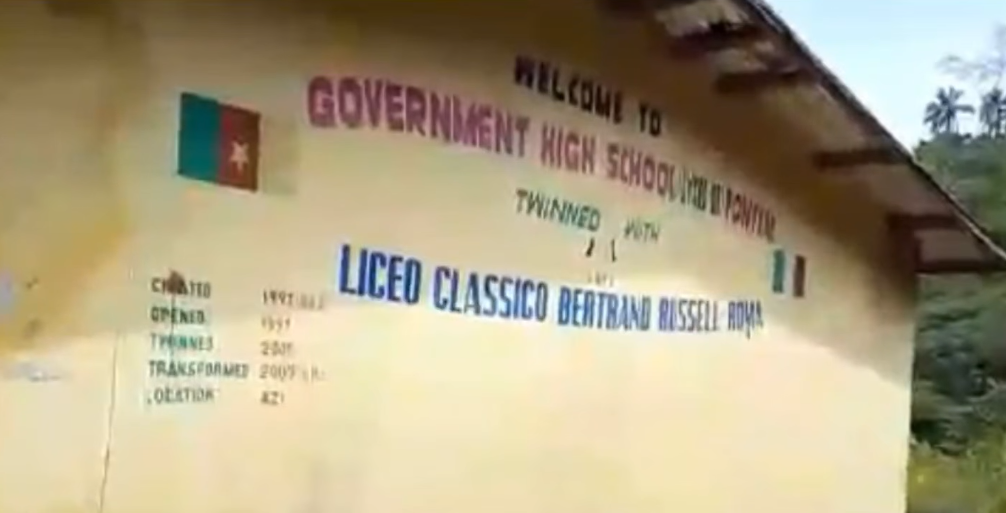
One of the most significant milestones in Njenacha’s recovery is the reopening of the Government Primary School, which had previously been abandoned during the crisis.
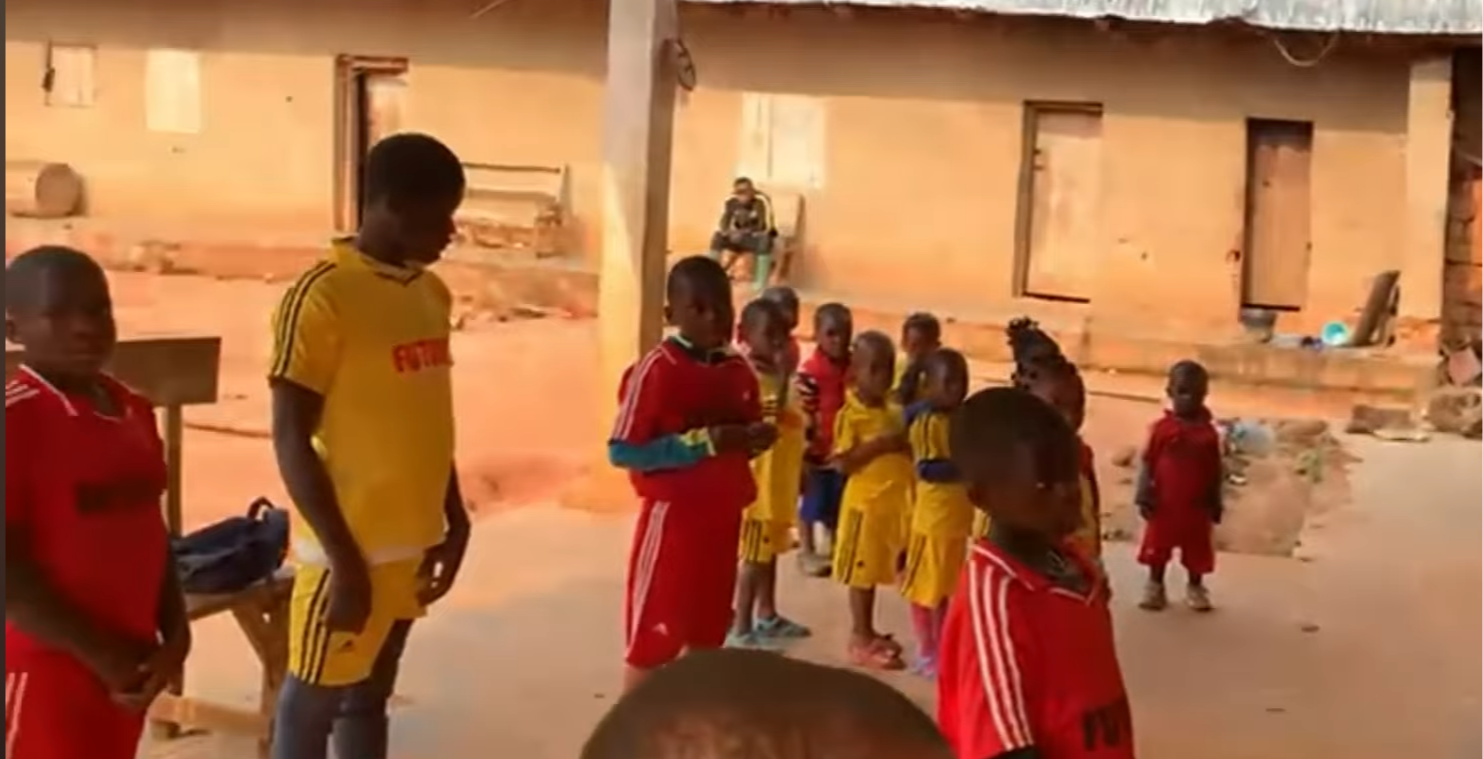
The school, once silent and empty, is gradually returning to life as children resume their studies. Teachers say the return of pupils to the classroom has brought renewed hope to the community. A teacher at the school noted that the learning environment has improved significantly thanks to the collaboration between community leaders and the traditional authority, who offered temporary accommodation within the palace to host the school while repairs continue.
The teacher explained that when he first arrived in the village, there were only six pupils enrolled, but the number has now increased to 23 children, reflecting growing confidence among parents.
He further revealed that the school recorded 100% success in last year’s examinations, encouraging families to return their children to local schools rather than sending them to distant towns. Community leaders are now urging parents who fled during the crisis to return home and enroll their children in the village school.
Water Supply Restored Across the Community
Access to clean drinking water, which became a major challenge during the crisis, has also been restored in most neighborhoods.
Community volunteers working with the cultural and development association have repaired damaged pipelines and reactivated the village water catchment system. Residents now report a steady flow of clean water, marking a major improvement in living conditions.

Solar Power Brings Electricity Back to Public Facilities
To address the longstanding electricity shortage in the area, the community has installed solar-powered electricity systems in key public institutions, including the primary school.
The solar installations provide sustainable energy for lighting, communication, and charging electronic devices. Residents say the availability of electricity now enables them to charge mobile phones, listen to radios, and access television broadcasts, helping reconnect the village to the outside world.
Road Rehabilitation Reconnects the Village
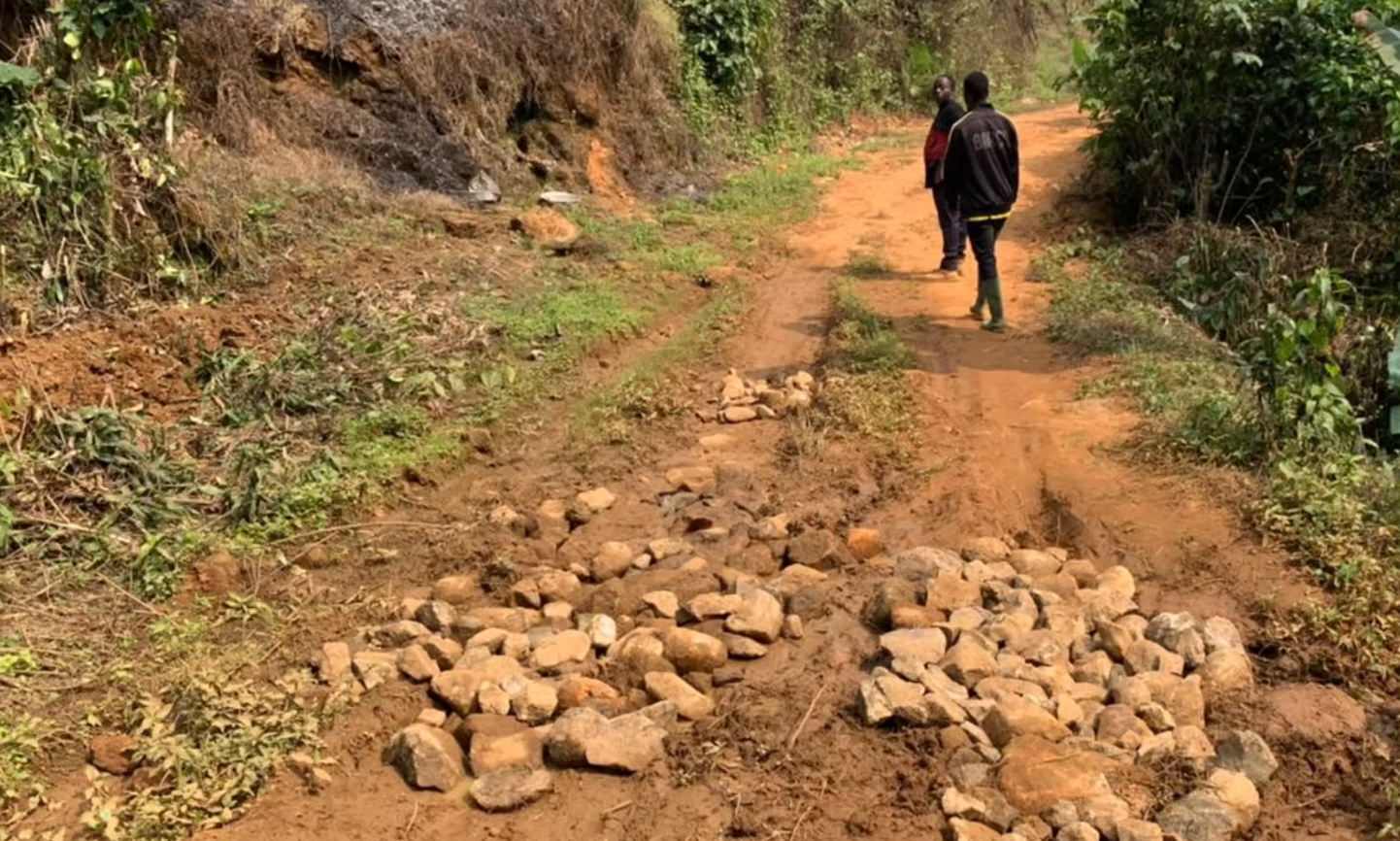
Efforts are also underway to improve transportation and trade through road rehabilitation projects carried out by the local council. The ongoing works aim to reconnect Njenacha to neighboring communities, making it easier for residents to move goods and access nearby markets and services.
Local authorities believe the improved road network will play a crucial role in supporting economic recovery.
Challenges Still Remain
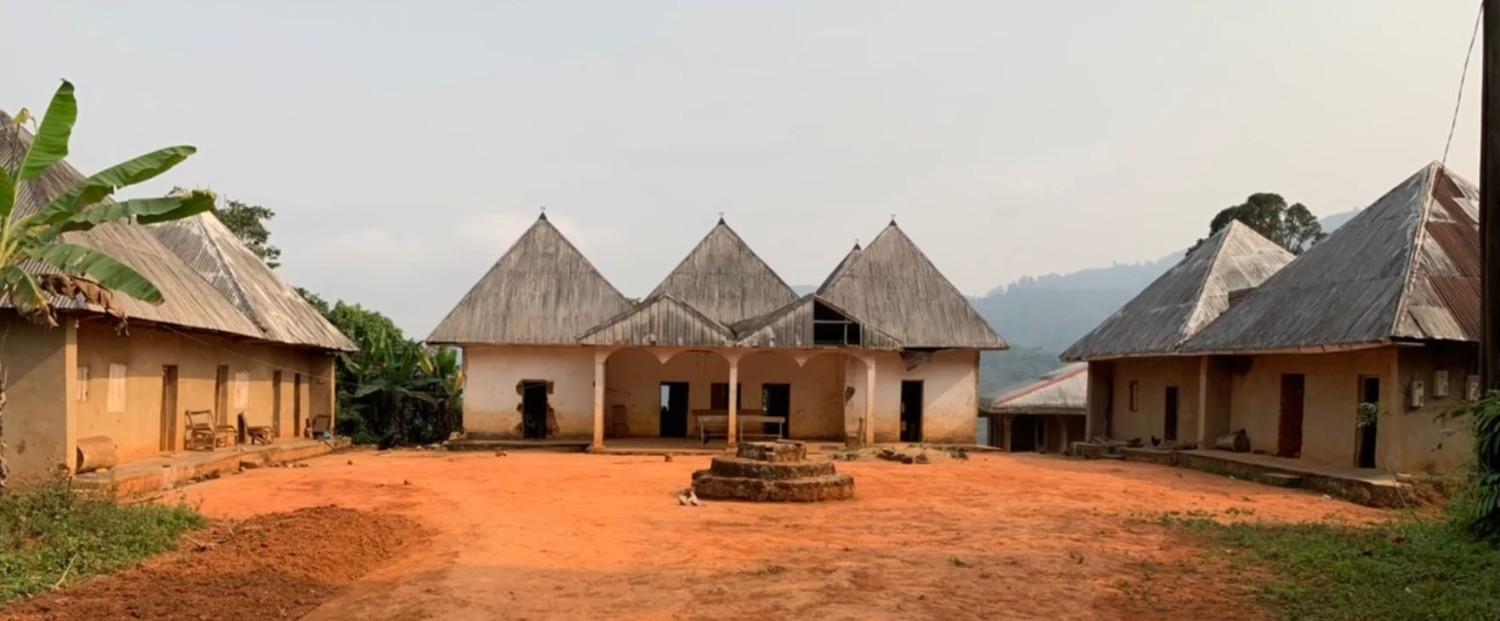
Despite these encouraging developments, the community still faces significant challenges. One major concern is the absence of the village chief from his palace, a situation that many residents say has slowed the full return of displaced families.
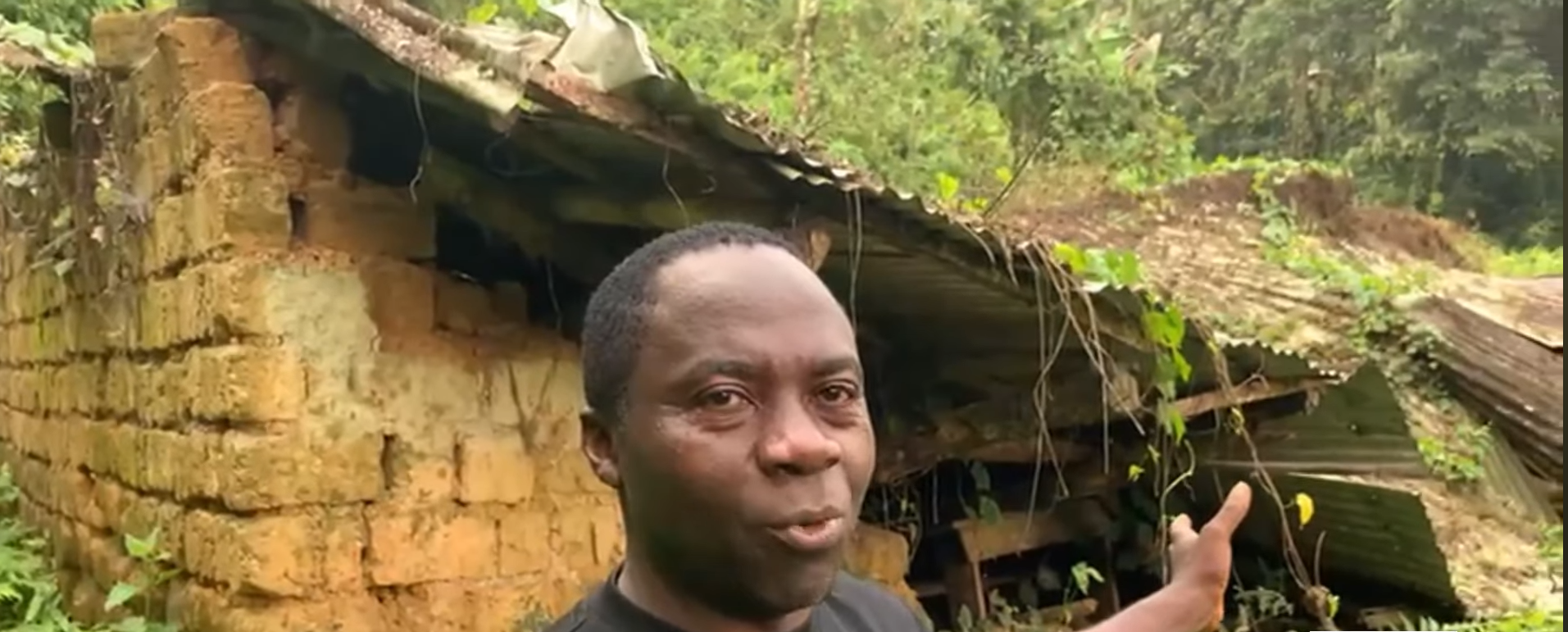
In addition, part of the primary school building has collapsed and requires urgent reconstruction. The original school structure, built in 1991, once contained seven classrooms and two offices, but much of it was damaged during the crisis.
Community leaders are therefore appealing for support from government authorities, development partners, and well-wishers to rebuild the facility. Another pressing need is the construction of a health center, which residents say is essential to provide first aid and basic medical care.
Although plans for the health center have already been initiated, the facility has not yet become operational. Community members believe the opening of the health center will encourage more families to return home permanently.
Diaspora Support Driving Local Development
Perhaps the most encouraging sign of recovery is the steady return of displaced residents. Families who fled during the crisis are gradually returning to repair their homes and rebuild their livelihoods.
However, community leaders estimate that nearly half of those who left have not yet returned, highlighting the need for continued stability and development.
A Symbol of Resilience
As reconstruction continues, the story of Njenacha village is emerging as a powerful symbol of resilience, unity, and determination. Through community solidarity, diaspora support, and grassroots development initiatives, residents are steadily reclaiming peace and rebuilding the foundations of their village.
Local leaders remain optimistic that with sustained cooperation and support, Njenacha will fully recover and once again thrive as a vibrant rural community in the Lebialem Division.


💬 Comments